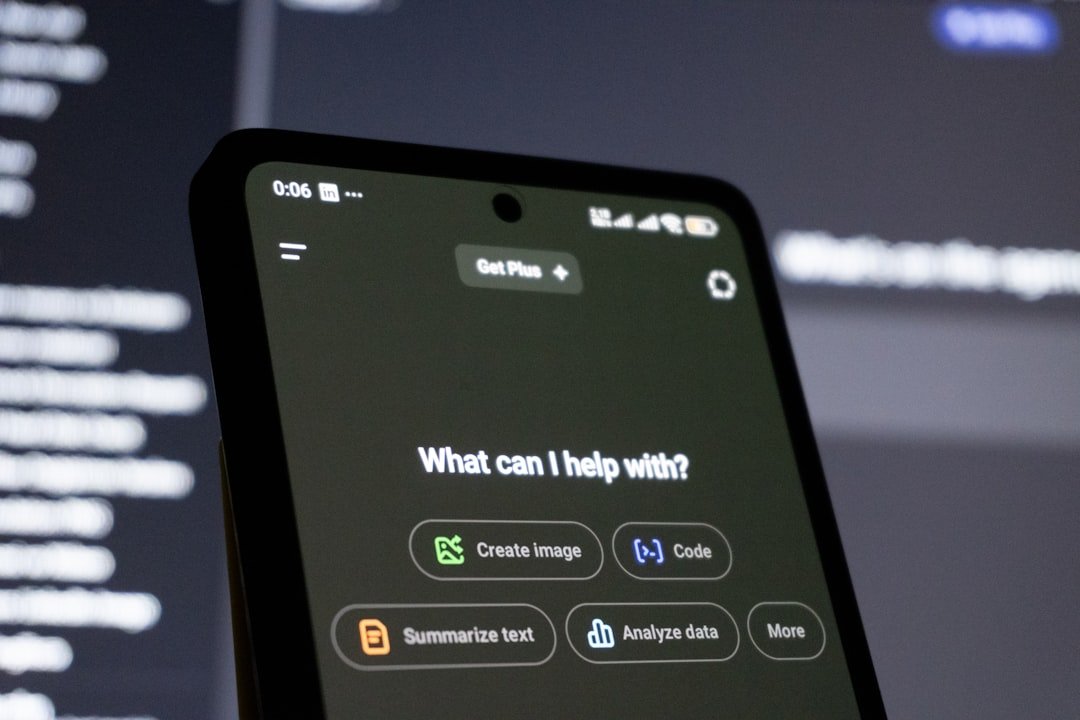
The strategic implementation of Artificial Intelligence (AI) chatbots on websites has a growing impact on user engagement and, ultimately, conversion rates. These automated conversational agents provide real-time support and tailored experiences by acting as a dynamic interface between a website & its users. When AI chatbots are incorporated, traditional, frequently static online interactions become more responsive and interactive, much like when you navigate a store with a knowledgeable assistant instead of depending only on informational signage.
AI chatbots respond to consumer inquiries right away, which is essential in a world where consumers demand instant satisfaction. Chatbots eliminate waiting times and geographical restrictions because they are available around-the-clock, unlike human support staff. This unwavering accessibility serves as a digital lighthouse, directing users on their path at all times.
24/7 accessibility. AI chatbots’ constant presence guarantees that prospective clients are never left without support. Businesses that operate in multiple time zones or serve a global clientele will especially benefit from this. If a user has a problem or a question after regular business hours, they can still get help right away, which keeps them from possibly ending their session and increases the chance that they will convert.
In addition to exploring how website AI chatbots can significantly increase conversion rates, it’s essential to consider broader marketing strategies that enhance brand visibility. For insights on effective brand marketing techniques, you can refer to the article on proven strategies that boost your brand’s visibility. This resource provides valuable tips and approaches that complement the use of AI chatbots in creating a more engaging customer experience. To read more, visit this article.
Regardless of the time of day, this ongoing assistance welcomes guests like an open door. shorter reaction times. The time it takes for a user to get answers to their questions is greatly shortened by chatbots. Long response times cause customers to become frustrated and become less engaged, according to numerous studies. Chatbots simplify the user experience by offering immediate information, removing obstacles that could otherwise discourage a conversion.
Similar to a quick current, this immediacy effectively advances users toward their objectives. Managing FAQs Well. Many consumer questions are repetitive & can be classified as Frequently Asked Questions (FAQs). AI chatbots are very effective at answering these frequently asked questions, freeing up human support representatives to deal with more complicated or subtle problems.
Discover the future of customer service with our innovative AI Chatbot designed to enhance user experience.
In addition to optimizing resource allocation, this division of labor guarantees that both straightforward & complex inquiries are handled efficiently and quickly. multilingual support. AI chatbots can be configured to speak in several languages for companies with a global presence. A greater variety of users can interact with the website in their native tongue thanks to this feature, which eliminates language barriers. For overseas clients, a more seamless conversion process is facilitated by such a customized language approach, which promotes trust and understanding.
In exploring the impact of AI chatbots on conversion rates, it’s also beneficial to consider how effective web development and hosting can enhance overall user experience. A well-optimized website not only attracts visitors but also facilitates smoother interactions with chatbots, ultimately leading to higher conversion rates. For more insights on this topic, you can read about the importance of a robust online presence in this article on web development and hosting.
The days of universally applicable website interactions are long gone. AI chatbots use data to provide individualized experiences, customizing information and suggestions to each user’s requirements and preferences. By reflecting the user’s unique interests, this personalization turns a routine website visit into a customized experience.
recommendations based on data. Chatbots can provide pertinent product or service recommendations by analyzing user behavior, browsing history, & even past interactions. In the same way that a skilled salesperson intuitively knows what a customer wants, this proactive support directs users toward products they are more likely to buy. The chatbot guides users to their intended location by acting as a smart compass. Content delivery that is dynamic.
Chatbots can dynamically deliver content that is most pertinent to the user at that particular moment based on user input and detected intent. These could be helpful manuals, thorough service descriptions, or precise product specifications. By ensuring that users receive relevant information without having to conduct lengthy searches, this adaptive content delivery improves their comprehension and decision-making process.
guided travel. Chatbots can serve as an intelligent guide for complicated websites with large product catalogs or numerous service offerings. They can make browsing more effective and less daunting by assisting users in navigating through different sections, filtering options, or product categories based on their expressed preferences. Similar to a reliable sherpa, this guidance helps users navigate challenging situations. Personalized deals & promotions. Based on users’ engagement patterns or stated interests, chatbots can spot opportunities to offer them customized deals, discounts, or promotions.
A targeted discount may be offered to a user perusing a particular product category, enticing them to buy right away. Offers are more enticing and have a higher conversion rate thanks to this customized strategy. AI chatbots are effective tools for qualifying & generating leads. By interacting with website visitors, obtaining pertinent data, & pre-qualifying leads, they can successfully direct prospective clients to sales teams.
By streamlining the sales process, this automation makes sure that human resources are focused on the most promising prospects. Data collection. In order to obtain important details like name, email address, company size, or particular product interests, chatbots can start conversations with website visitors by posing targeted questions.
Building a strong lead database and segmenting potential clients are made possible by this data. This information gathering process captures important data points, much like casting a precise net. Lead questions for qualification. Chatbots can determine a lead’s level of interest and purchase readiness by posing a series of pre-planned questions. They enable companies to weed out unqualified leads and concentrate on those with a higher chance of conversion by identifying budgetary restrictions, project schedules, or particular requirements.
By sorting the promising from the unlikely, this qualification process serves as a sieve. Making Demos & Appointments. Direct routing of qualified leads to the chatbot’s appointment scheduling features is possible. This eliminates the need for phone calls or email correspondence by enabling users to schedule product demos, consultations, or sales calls in real-time.
The gap between commitment & interest is filled by this smooth scheduling. Developing Conversational Leads. Chatbots can converse with leads continuously, offering useful content, responding to follow-up queries, and gradually resolving issues.
Like a gardener caring for a growing plant, this nurturing process gradually moves leads from initial interest to a purchase decision while keeping them informed and involved. When compared to traditional human-powered customer support, implementing AI chatbots offers significant cost savings and scalability advantages. They are a wise investment because they enable companies to increase their support capabilities without having to hire more employees. lower overhead for support personnel. Businesses can lessen their dependency on a sizable human support staff by automating a sizable percentage of customer inquiries.
This results in reduced operating expenses related to infrastructure, training, and salaries. The chatbot multiplies force to accomplish more with less.
24-hour service with no overtime fees. Chatbots do not need sick leave or overtime compensation like human workers do.
They are a very affordable option for 24-hour customer service because they are always available and don’t require additional labor. There is a set, predictable price for this continuous service. managing large volumes at the same time. AI chatbots are able to manage multiple conversations at once, something that a single human agent cannot accomplish.
Because of its scalability, businesses can handle spikes in customer inquiries without suffering from service degradation, guaranteeing steady support even during periods of high traffic. This ability to control different water flows at the same time is similar to a strong dam. Simplified training and onboarding. Compared to human agents, chatbots require less continuous training once they are configured and trained.
The process of maintaining accurate & up-to-date support services can be streamlined by simply incorporating new information and updates into their knowledge base. This streamlines the frequently intricate process of knowledge transfer. The ability of AI chatbots to improve user experience and foster trust ultimately determines how successful they are in increasing conversions. Through effective, customized, and user-friendly interactions, chatbots promote a favorable brand image.
An increase in user satisfaction. User satisfaction is greatly influenced by prompt responses, tailored suggestions, and effective support. A satisfying encounter creates a lasting impression, increasing the likelihood that customers will come back, refer the business, & eventually convert. The foundation for conversions is this contentment. establishing a credible brand. A well-executed AI chatbot that can provide precise and beneficial interactions speaks well of a company’s technological prowess & customer-focused philosophy.
As a result, the business gains credibility and is seen as dependable & modern. As a digital representative of the brand’s dedication to customer service, the chatbot takes on the role of an ambassador. a decrease in bounce rates. Users are less likely to leave a website if they receive prompt assistance or answers.
By offering engagement points and preventing frustration that could cause a user to leave early, chatbots aid in lowering bounce rates. This secures users before they stray by serving as an anchor. obtaining insights and user feedback. After an interaction, chatbots can be configured to gather user ratings, surveys, and comments.
Businesses can continuously improve their offerings and enhance the user experience by using this data, which offers priceless insights into customer needs, pain points, and preferences. This feedback loop continuously improves the product, acting as a self-correcting mechanism. In conclusion, AI chatbots are a sophisticated tool for optimizing the whole customer journey on a website; they are not just automated response systems. These digital assistants serve as conversion catalysts by offering real-time assistance, tailored experiences, effective lead generation, economical scalability, and increased user trust. Through their strategic deployment, a passive website is transformed into an active, responsive environment that precisely guides users and ultimately contributes to notable increases in customer satisfaction and sales. The chatbot acts as a link between user intent & corporate goals.
.