You’ve come to the right place if you’re wondering what a digital marketing funnel is and how you can use it to increase your clientele. A digital marketing funnel is essentially a road map that directs prospective clients from learning about your company to becoming devoted customers. It’s a useful framework that enables you to comprehend and impact the path your audience takes, not some ethereal idea. Consider this: most people don’t purchase anything after seeing an advertisement for the first time. Before making a purchase, they must be aware of your brand, comprehend what you have to offer, and decide whether it is right for them. By visualizing these phases, the funnel enables you to develop focused tactics at each stage.
It’s not just about promoting a product; it’s about being useful and pertinent. To make this “ultimate guide” extremely understandable and practical, let’s dissect it. Fundamentally, a digital marketing funnel divides your audience into groups according to their decision-making stage.
Understanding the Digital Marketing Funnel is crucial for businesses aiming to optimize their online presence and drive conversions. A related article that delves into the importance of web hosting in enhancing your digital marketing efforts is available at Unlocking Web Hosting’s Power: Your Key to Success Online. This article highlights how a reliable web hosting service can significantly impact your marketing strategies and overall success in the digital landscape.
Meeting people where they are and offering value is the goal here, not deceiving them. Consider a real funnel, which is wide at the top and gets smaller at the bottom. This illustrates how fewer people will become paying customers after first becoming aware of the business. Nurturing that audience & ensuring a seamless transition are your responsibilities. The Top of the Funnel (TOFU): Awareness. This is where consumers come across your brand for the first time.
They may not even be aware that they have a problem that your product or service can help, or they may only now become aware of it. Making a good first impression and getting noticed are your main objectives here. It’s about introducing yourself without making a hard sell and reaching out to more people.
Sure, here is the sentence with the clickable link:
Check out the amazing Funnel Landing Page at https://funnel.epoweronlinemarketing.com/.
It appears as someone browsing social media, reading a blog post, watching a YouTube video, or conducting a general Google search. They may come across one of your sponsored posts, interesting content, or educational articles. Your goal is to draw attention, establish early brand recognition, & stimulate interest. You want them to say something like, “Hey, that’s interesting” or “I had no idea that existed.”. A “.
Understanding the Digital Marketing Funnel is crucial for businesses looking to optimize their online presence. A well-structured funnel guides potential customers from awareness to conversion, ensuring that each stage is effectively addressed. For those interested in enhancing their digital strategy, it’s important to recognize the foundational role of a website in this process. You can explore this concept further in the article about why having a website is essential for your company, which provides valuable insights into how a strong online presence supports the entire marketing funnel. For more information, check out the article here.
Important strategies. Content marketing includes blogs, infographics, videos, and podcasts that speak to the interests or problems of a large audience. Consider “how-to” manuals, industry news, or amusing articles about your specialty. Engaging posts, shareable content, and awareness campaigns on platforms that are pertinent to your target audience are all examples of social media marketing. This has to do with being talkative & visible. Search Engine Optimization (SEO) is the process of making your website and content more search engine friendly so that people who are looking for relevant content can find you naturally.
Understanding the Digital Marketing Funnel is crucial for businesses aiming to optimize their online presence and drive conversions. For those interested in enhancing their digital strategies, a related article on effective promotional packages can be found here: promotional packages. This resource provides insights into how web development and hosting services can complement your marketing efforts, ensuring that your funnel operates efficiently from awareness to conversion.
Paid Advertising (Awareness Focused): Social media & display advertisements that aim to increase brand visibility and reach rather than direct users to a particular product page. Getting mentioned in pertinent publications or working with influencers who have a large, active following are examples of public relations & influencer marketing. The Middle of the Funnel (MOFU) is something to think about. People are beginning to consider their options now that they know who you are.
They are actively seeking answers because they are aware that they have a need or desire. Here’s where you have to show off your skills, establish credibility, & highlight how you’re superior to the competition. What it looks like: Someone who is actively looking for answers to their issue. They may be looking for particular features and benefits, reading reviews, or comparing various businesses.
They are now focused on their research rather than just being curious. Your goals are to inform your audience, establish yourself as a reliable source, and set yourself apart from the competition. You want to convince them that your solution is the most appropriate.
Important strategies. Comprehensive Blog Posts and Guides: In-depth discussions of particular issues and how your product or service addresses them. Consider “ultimate guides,” case studies, or comparison articles. Webinars and online workshops are interactive events where you can demonstrate your expertise and provide real-time answers to audience questions.
Sending relevant emails to individuals who have expressed interest (e.g.) is known as email marketing (also known as lead nurturing). (g). downloaded a lead magnet). This fosters a relationship and keeps you at the forefront.
Product trials and demos: Giving prospective buyers a chance to try your product out for themselves. This is essential for proving value. Reviews & Testimonials: Highlighting pleased clients’ favorable experiences. Social proof is very effective in this situation. Comparison Pages/Feature Breakdowns: Clearly stating what distinguishes your product or service from competitors.
The Bottom of the Funnel (BOFU) is a decision. This is the crucial moment when potential customers are prepared to buy. They are currently choosing who to purchase from after weighing their options.
Here, you want to eliminate any last-minute doubts, provide compelling incentives, and simplify the purchasing process. What it looks like: Someone is ready to set up a consultation, adding items to their cart, or visiting your pricing page. Usually, they have done their homework and are considering last-minute considerations like cost, particular assurances, or instant accessibility.
Your goal is to overcome objections, emphasize value, and provide a clear call to action in order to convert leads into paying customers. You wish to complete the transaction. Important strategies. Case Studies and Success Stories: Providing concrete outcomes that your clients have attained.
This strengthens the value offer. Free Consultations/Personalized Demos: Providing a direct line to talk about their particular needs and how you can address them. Special Offers & Discounts: Promotions with a time limit to encourage quick purchases. Strategic offers can be successful, but take care not to continually diminish your offering.
Clearly stated call-to-actions (CTAs) such as “Buy Now,” “Sign Up Today,” “Get Started,” and “Request a Quote” make it clear what you want them to do. Retargeting advertisements are used to target users who have visited particular pages on your website (such as product pages or checkout pages) but have not made a purchase. Return policies and guarantees: lowering perceived risk and boosting decision-making confidence. Live chat and chatbots: Offering prompt assistance to resolve issues and respond to last-minute queries.
After a customer completes a purchase, many businesses stop considering the funnel. That’s a lost opportunity, though, because the funnel continues to build enduring relationships that result in enthusiastic referrals and repeat business. Maintaining Customer Satisfaction: Retention.
The cost of acquiring new customers is substantially higher than that of retaining current ones. Thus, concentrating on retention is a wise business move. This entails maintaining value & top-notch service long after the first sale. What it looks like: Happy customers who feel valued and keep using your product or service.
They are not searching for other options. Your goal is to minimize churn, encourage continuous engagement, and make sure customers get the results they want from your product or service. Important strategies. Outstanding Customer Service: Friendly, accommodating, and responsive service is a must.
Training and Onboarding: Making sure clients are aware of how to make the most of your product right away. Loyalty Programs & Exclusive Offers: Offering early access or exclusive discounts to loyal customers. Frequent Check-ins & Feedback: Actively seeking input and resolving any problems before they become more serious. Value-Added Content: Maintaining helpful resources, advice, and updates that help your current clientele. Advocacy: Making consumers into marketers.
For many businesses, this is their ultimate objective. It is powerful when consumers are so pleased with your product or service that they voluntarily recommend it to others. These advocates turn into your most reliable source of advertising. What it looks like: Positive reviews from customers, recommendations from friends and coworkers, social media posts about their experiences, & involvement in brand communities.
Your goal is to inspire happy consumers to act as brand ambassadors, creating social proof and organic growth. Important strategies. Referral programs encourage current clients to recommend new ones. Requesting Testimonials and Reviews: Facilitating satisfied customers’ sharing of their experiences. User-Generated Content Campaigns: Inspiring consumers to post images, videos, or narratives about your company.
Building a Community: Establishing online communities where clients can interact with your company and one another. Surprise and Delight: Going above and beyond to produce happy, memorable experiences. Now that you know the phases, how do you actually create your own funnel? It’s not about starting from scratch; rather, it’s about using these ideas for your particular audience & business. Determine who your target audience is. You must identify your target audience before you can offer guidance to anyone.
This is crucial. Rarely does generic marketing succeed. Who are they? Consider their psychographics (interests, values, lifestyles), demographics (age, location, income), and any particular issues or preferences they may have with your offering.
What websites do they visit, what kind of content do they consume, and where do they congregate online? What are their problems? What obstacles can your product or service help them overcome? Make a plan for your company’s customer journey. Every company is unique.
The stages of the funnel must be adjusted to suit your customers’ needs. Awareness: Will a search result, a blog post, or a social media advertisement be the first way that people find you? Consideration: After learning about you, what details are necessary for them to assess you?
A product demonstration, a comprehensive feature list, or client endorsements? Decision: Is it a unique offer, an easy-to-understand ROI calculation, or a risk-free trial that entices someone to click “buy” or get in touch with you? Retention/Advocacy: How will you maintain their interest and motivate them to share the word? A referral bonus, a loyalty program, or exclusive content? Select Your Channels & Strategies. Choose the best digital marketing channels & strategies for each step based on your audience & their journey.
Instead of trying to be everywhere at once, concentrate on the areas where you will make the biggest difference. Knowledge: influencer partnerships, display ads, social media content, and SEO. Blog entries, webinars, email newsletters, downloadable manuals, and case studies should all be taken into consideration. Decision: Targeted ads, landing pages with strong CTAs, product demos, free trials, special offers. Retention/Advocacy: Email marketing, customer support channels, loyalty programs, community forums, referral programs.
Make Content for Every Phase. Content is the fuel for your digital marketing funnel. Each stage requires different types of content designed to move prospects forward. Awareness Content: Broadly appealing, attention-grabbing, educational, or entertaining. Think “top 10” lists, infographics, short explainer videos.
Consideration Content: In-depth, problem-solving, comparative, & trust-building. Think guides, webinars, comparison charts, white papers, case studies. Decision Content: Persuasive, benefit-driven, & action-oriented. Think testimonials, product demos, free trials, pricing pages, FAQs.
Retention/Advocacy Content: Supportive, value-adding, community-focused. Think tutorials, advanced tips, exclusive updates, surveys, thank-you notes. Implement and Measure. This is where the rubber meets the road.
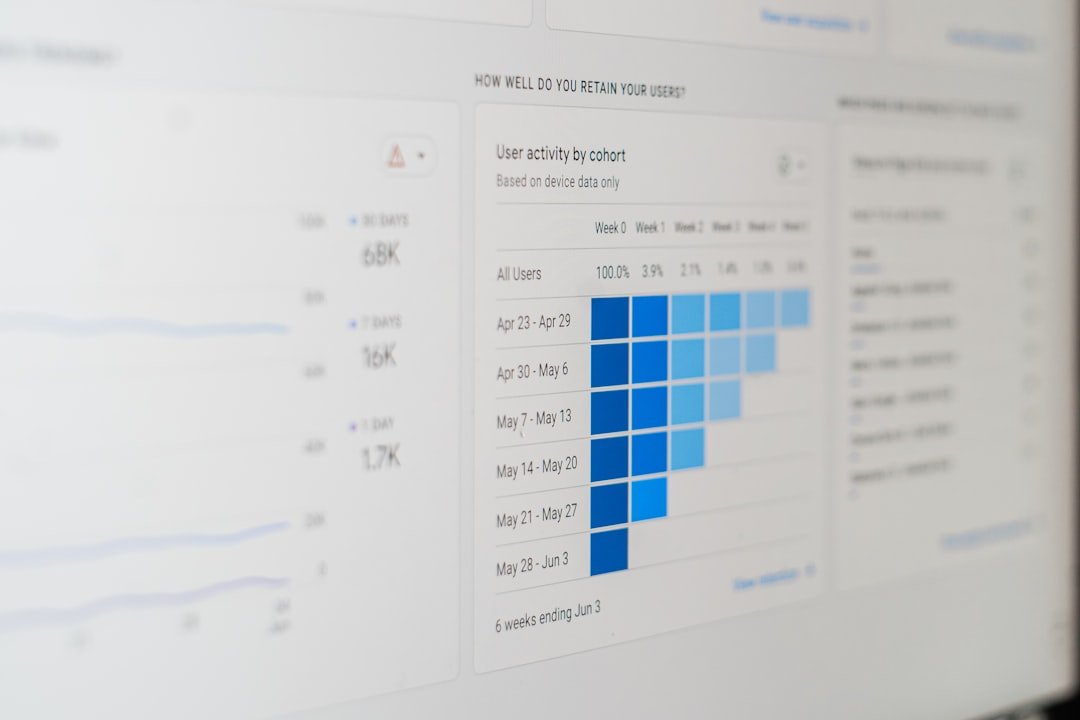
Launch your strategies and, crucially, track their performance. Tools: Use analytics platforms like Google Analytics, social media insights, email marketing software dashboards, & CRM (Customer Relationship Management) systems. Metrics: Key Performance Indicators (KPIs) will vary by stage. Awareness: Website traffic, social media reach/impressions, brand mentions. Consideration: Lead magnet downloads, webinar registrations, time on page, engagement rates. Decision: Conversion rates, sales, cost per acquisition (CPA).
Retention/Advocacy: Customer lifetime value (CLTV), churn rate, repeat purchase rate, referral rate, Net Promoter Score (NPS). Optimize & Refine. Your digital marketing funnel isn’t a set-it-and-forget-it system. The digital landscape and customer behavior are constantly evolving. Analyze Data: Regularly review your metrics to identify what’s working & what’s not.
A/B Testing: Test different headlines, calls-to-action, ad creatives, & landing page layouts to see what performs best. Gather Feedback: Listen to your customers. What are their pain points?
What could be improved? Stay Updated: Keep an eye on industry trends & new digital marketing strategies. You don’t need to be a tech wizard to implement a digital marketing funnel, but having the right tools can make the process much smoother & more effective. Think of these as your essential toolkit for guiding prospects. CRM (Customer Relationship Management) Software.
This is arguably the most vital tool for managing your funnel. A CRM helps you track leads, interactions, & customer data all in one place. What it does: It stores contact information, logs every touchpoint (emails, calls, website visits), segments your audience, & often integrates with other marketing tools. This allows you to personalize your communication and understand where each lead is in the funnel. Popular options: HubSpot CRM (many free features), Salesforce, Zoho CRM, Pipedrive.
Email Marketing Platforms. Email remains one of the most effective channels for nurturing leads and building relationships throughout the funnel. What it does: Allows you to build email lists, create automated email sequences (welcome series, nurture campaigns), segment your audience for targeted messaging, and track open rates, click-through rates, & conversions. Popular options: Mailchimp, Constant Contact, ActiveCampaign, ConvertKit. Social Media Management Tools.
Managing multiple social media platforms can be a headache. These tools streamline the process. What it does: Enables scheduling posts in advance, monitoring mentions and conversations, analyzing performance across platforms, and often allows for team collaboration. Popular options: Buffer, Hootsuite, Sprout Social.
Analytics Tools. Data is king. You need to know what’s happening to make informed decisions. What it does: Tracks website traffic, user behavior, conversion rates, and campaign performance.
Crucial for understanding which parts of your funnel are succeeding & where improvements are needed. Popular options: Google Analytics (essential & free), Hotjar (for heatmaps & user behavior), SEMrush and Ahrefs (for SEO and competitor analysis). Landing Page Builders. You often need specific pages designed to capture leads or drive conversions, separate from your main website.
What it does: Makes it easy to create high-converting landing pages without needing extensive coding knowledge. You can design, test, and deploy pages quickly. Popular options: Unbounce, Leadpages, Instapage, even some website builders like Wix and sq\.space have decent built-in options. Advertising Platforms.
To drive traffic & reach your target audience, you’ll likely use paid advertising. What it does: Control your ad spend and targeting on major platforms to reach prospects at various funnel stages. Popular options: Google Ads, Meta Ads (Facebook & Instagram), LinkedIn Ads, Twitter Ads. Building and managing a digital marketing funnel isn’t always straightforward. Many businesses stumble on common pitfalls.
Being aware of these can save you time, money, and a lot of frustration. Treating Everyone the Same. This is perhaps the most critical mistake.
A one-size-fits-all approach simply doesn’t work in digital marketing. Prospects at the awareness stage need different content and messaging than those ready to buy. Why it’s a problem: It leads to irrelevant messaging, wasted ad spend, & a poor user experience. People tune out generic pitches.
How to fix it: Segment your audience based on their funnel stage (and other relevant criteria) and tailor your content and offers accordingly. Not Having Clear Calls to Action (CTAs). If people don’t know what you want them to do next, they won’t do it.
Every piece of content, every page, should have a clear purpose. Why it’s a problem: Prospects get stuck or leave because they’re unsure how to proceed. This leads to lost opportunities.
How to fix it: Make your CTAs prominent, clear, and action-oriented. Use verbs like “Download,” “Sign Up,” “Learn More,” “Buy Now. ” Ensure the CTA aligns with the stage of the funnel. Neglecting the Bottom of the Funnel. Focusing too much on generating leads and not enough on converting them is a common oversight. Why it’s a problem: You might be attracting a lot of interest, but if those leads aren’t turning into customers, your efforts are largely wasted.
How to fix it: Invest in persuasive sales copy, strong CTAs, special offers, and clear pathways to purchase. Make the decision process as easy and risk-free as possible. Forgetting About Post-Purchase Engagement. The sale isn’t the end; it’s the beginning of a potential long-term relationship. Why it’s a problem: You miss out on repeat business, customer loyalty, and valuable word-of-mouth marketing. It’s more expensive to acquire new customers than retain existing ones.
How to fix it: Implement strategies for customer onboarding, support, loyalty programs, & encourage advocacy. Not Tracking or Analyzing Results. If you’re not measuring, you’re flying blind.
You can’t improve what you don’t understand. Why it’s a problem: You won’t know which strategies are effective, where your money is best spent, or how to optimize your campaigns for better ROI. How to fix it: Set up analytics tools from the start, define your KPIs for each stage of the funnel, and regularly review your data. Make data-driven decisions.
Overcomplicating It. Sometimes, the simplest approach is the best. Don’t get bogged down in complex funnels if you’re just starting. Why it’s a problem: It can be overwhelming and lead to paralysis, meaning you never implement anything.
How to fix it: Start with a basic, straightforward funnel. Master each stage before adding more sophisticated elements. Focus on core principles: awareness, interest, desire, action.
So, you’ve read this far, and you’re probably thinking, “Okay, I get it. But how do I start?” Here’s a simplified, actionable plan to get your digital marketing funnel rolling. Step 1: Define Your Goal(s). Before you do anything, be crystal clear about what you want your funnel to achieve.
Is it to:. Generate more leads for your sales team? Increase online sales of a specific product? Build a community around your brand? Reduce customer churn? Your goals will dictate the entire funnel strategy.
Step 2: Know Your Audience Inside and Out. Who are you trying to reach? Create detailed buyer personas. This isn’t just about demographics; it’s about their motivations, their struggles, their online habits, & their decision-making process for your type of product or service.
Step 3: Sketch Your Funnel Stages. Draw it out. Literally.
A simple whiteboard, a notebook, or a diagramming tool works. For your business, what does the journey look like? Awareness: How do people find out about you? (e.
g. , social media ad, blog post search). Consideration: What information do they need to consider you? (e. g. , download ebook, watch webinar, read case study). Decision: What pushes them to buy? (e. g. special offer, demo call, free trial).
Retention/Advocacy: How do you keep them and turn them into fans? (e. g. , loyalty program, referral bonus). Step 4: Choose Your Key Channels & Content for Each Stage.
Once you sketch the stages, decide how you’ll execute each one. Awareness: Which social platforms will you focus on? What kind of content (short videos, engaging posts)?
Will you use paid search? Consideration: What valuable resources can you offer in exchange for an email address (lead magnets)? What topics will your blog cover? What kind of email sequence will you send?
Decision: What landing pages do you need? What pricing clarity is required? What offers can you provide? Retention/Advocacy: How will you communicate with existing customers? What rewards can you offer?
How will you ask for referrals or reviews? Step 5: Set Up Your Tracking. Implement Google Analytics, set up conversion tracking for key actions (like form submissions, purchases), and make sure your CRM is ready to capture lead information.
Without this, you’re shooting in the dark. Step 6: Launch and Monitor. Go live with your initial strategies.
Don’t wait for perfection; aim for a solid start. Then, watch your analytics daily or weekly. Step 7: Optimize Based on Data. This is the ongoing part. See which ads perform best, which content gets the most engagement, which landing pages have the highest conversion rates.
Adjust your spend, refine your messaging, and test new ideas. Remember, a digital marketing funnel is a dynamic tool. It’s not a one-time project but an evolving strategy that matures with your business and your understanding of your audience. By focusing on providing genuine value at each step, you’ll build not just customers, but a loyal base that drives your success.
.
FAQs

What is a digital marketing funnel?
A digital marketing funnel is a strategic framework that outlines the stages a potential customer goes through before making a purchase. It typically includes stages such as awareness, consideration, and conversion.
What are the stages of a digital marketing funnel?
The stages of a digital marketing funnel typically include awareness, consideration, conversion, and retention. These stages represent the customer’s journey from first becoming aware of a product or service to making a purchase and becoming a repeat customer.
How does a digital marketing funnel work?
A digital marketing funnel works by guiding potential customers through the stages of the buying process, from initial awareness to making a purchase. Marketers use various tactics such as content marketing, email marketing, and social media advertising to move customers through the funnel.
Why is a digital marketing funnel important?
A digital marketing funnel is important because it helps businesses understand and track the customer journey, allowing them to optimize their marketing efforts at each stage. This can lead to increased conversions and improved customer retention.
What are some key strategies for optimizing a digital marketing funnel?
Some key strategies for optimizing a digital marketing funnel include creating targeted and engaging content, using marketing automation to nurture leads, and analyzing data to identify areas for improvement. Additionally, personalizing the customer experience and providing excellent customer service can also help optimize the funnel.