If you want to increase the number of people who see your business online, the key is to know where potential clients congregate, what issues they have, and then consistently deliver useful content. It’s not about magic bullets, but rather a consistent, deliberate effort. Let’s examine a few doable strategies to achieve that. You need to know who you are speaking to before you even consider what to say or what platform to use.
This is a necessity, not merely a nice-to-have. You’re just yelling into thin air without it. In reality, who are you trying to reach? Spend some time defining your ideal client.
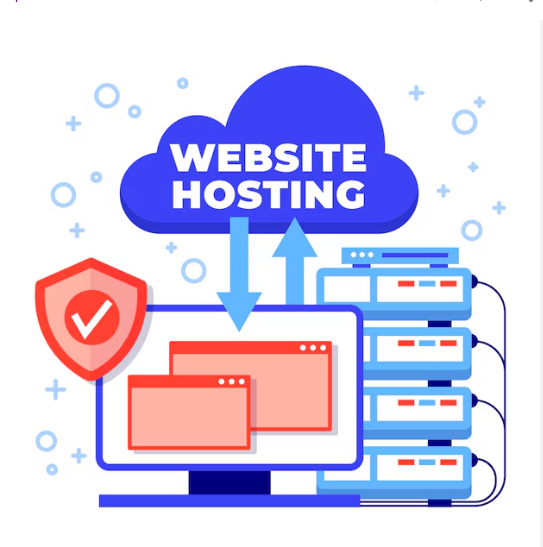
In the realm of online marketing, understanding the technical aspects of your website is crucial for success. One essential element that often gets overlooked is website hosting. For a deeper insight into this topic, you can read the article on the importance of website hosting and what you need to know by visiting this link. This resource provides valuable information on how hosting can impact your site’s performance and, ultimately, your marketing efforts.
Think about more than just demographics. Demographics don’t tell the whole story; they are just the beginning. Good building blocks include location, income, gender, & age. However, they don’t explain why a customer might purchase from you. Customers purchase solutions, not goods, so what are their main problems?
What issues are they actively working to resolve? How does your product or service help them? What do they hope to accomplish, what are their goals, and how does your offering help them get there?
Sure, here is the sentence with the clickable link:
Check out the amazing Funnel Landing Page at https://funnel.epoweronlinemarketing.com/.
Knowing where they spend their time online influences your platform selections. Are they searching Google for answers, browsing TikTok for entertainment, or using LinkedIn for professional development? Which type of language—formal, informal, technical jargon, or plain English—resonates with them? Customize your communication.
In the ever-evolving landscape of online marketing, understanding the importance of a robust web presence is crucial for businesses looking to thrive. A recent article highlights the significance of integrating effective hosting and web development strategies into your marketing efforts. For those interested in enhancing their online visibility, this promotion package offers valuable insights into how these elements can work together to boost your brand’s performance. By leveraging the right tools and services, companies can create a seamless user experience that drives engagement and conversions.
Making personas for buyers. Making a few “buyer personas” is really beneficial, even though it may sound a little corporate. Give them specific objectives, names, and backstories.
In the ever-evolving landscape of online marketing, having a well-designed website is crucial for success. A recent article discusses the importance of effective website design in Malaysia and how it can significantly impact a business’s online presence. For those interested in enhancing their digital strategy, this insightful piece can be found here: website design in Malaysia. By focusing on user experience and aesthetics, businesses can attract and retain more customers, ultimately driving growth and engagement.
This helps you write messages that speak to them directly and gives them a sense of realness. One persona could be “Sarah, the busy professional who wants unique gifts,” and another could be “Mark, the thoughtful boyfriend looking for something special for his anniversary,” for example, if you sell handmade jewelry. Each would react to messages in a different way. Constant sales pitching is not what content marketing is all about. It’s about disseminating interesting, entertaining, or helpful information that captivates people and gradually fosters trust.
When done correctly, it presents you as a resource and an authority. What Kind of Content Are You Able to Produce? The best options will vary depending on your audience and your skills. Blog posts & articles are great for delving deeply into a subject, providing answers to frequently asked questions, or demonstrating your level of expertise.
Moreover, they are excellent for SEO. Videos (both short and long): Interviews, product demos, behind-the-scenes looks, and tutorials are all very captivating and can effectively explain difficult concepts. For longer videos, consider YouTube; for quick, snappy videos, consider TikTok or Instagram Reels. Podcasts: A podcast can be an effective tool if you have in-depth discussions that people can listen to on the go or if your audience is auditory. Infographics: Excellent for providing data or complicated information in a visual format that is simple to understand.
Also, they are very shareable. E-books and guides: These can be used as lead magnets & provide significant value (we’ll get to that). Social media posts are succinct, interesting excerpts that can be used as stand-alone content or as links to larger content pieces. The secret is consistency. Even if you publish less frequently, it’s still preferable to publishing a lot at once and then going silent for several months.
A consistent publishing schedule raises expectations and maintains reader interest. Aim for “good enough” and consistency instead of perfection. Repurpose, Repurpose, Repurpose!
One piece of content shouldn’t live and die in one place. Create a series of social media graphics based on a blog post. Take important passages from a podcast interview & use them in tweets. Make a TikTok video that summarizes a tutorial on YouTube. Using the information in your e-book, create an infographic.
This increases your reach and saves time. Making sure your website appears high in search results when people are looking for business-related content is the goal of SEO. Making your website useful & simple for search engines to comprehend is more important than trying to deceive Google.
Researching Keywords: What Are People Looking for? This is the starting point. You must comprehend the terms and phrases that prospective clients enter into search engines. Brainstorm: What search terms would you use to locate your goods or services? Use resources such as Ahrefs, SEMrush, Google Keyword Planner (free), or simply Google’s “Searches related to.”.
You can get a tonne of ideas from suggestions. Pay attention to long-tail keywords, which are phrases that are more precise (e.g. (g). “best vegan protein powder for muscle gain” rather than merely “protein powder.”. They typically show greater purchase intent and are less competitive.
Organizing Your Website for On-Page SEO. After you have your keywords, you must organically incorporate them into the content of your website. Headings and Titles (H1, H2, H3): Use keywords in these sections. These convey the content of your page to search engines. The brief synopsis that shows up beneath your page title in search results is called a meta description.
Make it captivating and incorporate your keywords. Content Body: Include keywords organically in your writing. Readability for humans comes first, so don’t jam them in awkwardly. Pictures: If an image contains keywords, use a descriptive alt text.
This makes the image more accessible and aids search engines in understanding what it is. Linking to other pertinent pages on your own website is known as internal linking. This passes “link juice” between pages and aids search engines in mapping your website. Making your website search engine friendly is known as technical SEO. This is the background work that makes it easier for search engines to efficiently crawl and index your website.
Website Speed: A website that loads quickly not only improves user experience but also affects ranking. Mobile-Friendliness: Your website needs to be responsive and display well across all platforms. These days, mobile devices are used for most searches. Security (HTTPS): Secure websites are preferred by Google. Verify that your website has an SSL certificate. XML Sitemap: This file helps search engines find your website by listing all of its key pages.
Make sure search engines can access and comprehend your content by making it crawlable and indexable. Issues can be found with the aid of tools like Google Search Console. Building Authority with Off-Page SEO. This is the term for external actions that affect your website’s ranking.
Backlinks: Google views links to your website from other respectable websites as a vote of confidence. Prioritize acquiring relevant, high-quality backlinks over quantity. Guest posting: You can gain visibility and useful backlinks by contributing articles to other industry blogs.
Social Signals: Social shares and engagement can raise content visibility, resulting in more organic links and traffic, even though they are not a direct ranking factor. These days, social media is used for more than just posting pictures from the holidays. It’s an effective tool for companies to increase traffic, engage directly with customers, & develop their brands.
It takes more than just showing up, though. Selecting Proper Platforms. You are not required to be everywhere. Pay attention to the places where your ideal audience hangs out. LinkedIn: Excellent for business-to-business, professional, and thought leadership networking. Instagram: Good for products, lifestyle brands, and behind-the-scenes content; visually appealing.
Facebook: Still a huge platform that’s useful for local businesses, targeted advertising, and community building. TikTok is a rapidly expanding short-form video platform that is great for younger audiences & creative, attention-grabbing content. Pinterest is a powerful visual search engine for DIY, fashion, home décor, & inspiration. Twitter/X: News, instant updates, customer support, & real-time information. Creating Captivating Content for Every Platform.
Every platform has its own best practices and conventions. Visuals are crucial: In crowded feeds, superior photos and videos stand out. Tell tales: Stories, not just features, are what people relate to. Inquire: Promote dialogue and remarks. Use quizzes & polls to increase participation.
Go Live: Real-time connections can be established through live video. Behind-the-scenes: Present the human aspect of your company. Keep it brief: Get right to the point, especially in captions for Instagram or Twitter/X. Creating a Community, Not Just a Viewership.
Consider social media as a two-way street. Show that you are paying attention by replying to messages and comments. Interact with other accounts by leaving comments on pertinent industry posts rather than just posting your own content. Make groups: Facebook groups are an effective way to build a more intimate community around a particular interest. Organize giveaways and competitions to increase followers & engagement. making use of paid social media advertisements.
It can be difficult to get organic reach on social media. With paid advertisements, you can precisely target who sees your content according to specific demographics, interests, and behaviors. This is a really effective way to reach new audiences. Facebook/Instagram Ads: Robust targeting options, good for brand awareness, lead generation, sales.
LinkedIn Ads: Excellent for B2B lead generation, targeting by job title, industry, company size. TikTok Ads: A great way to reach younger audiences with brief, interesting videos. While social media trends come and go, email remains king for direct communication. People are very receptive because it is permission-based and they want to hear from you.
Creating an email list is the most valuable asset. Unlike social media followers, your email list is an asset. Lead Magnets: Request an email address in return for something worthwhile.
Website Pop-ups & Banners: Strategically placed forms on your website to capture subscribers. Blog Post Opt-ins: Offer related content upgrades within your blog posts. Social Media Calls to Action: Direct people from your social profiles to your landing page where they can subscribe. Events & Webinars: Collect emails during sign-up.
Crafting Effective Email Campaigns. Once you have subscribers, what do you send them? It’s not just about sales.
Welcome Series: An automated sequence of 3-5 emails that introduce new subscribers to your brand, share your story, and provide initial value. Newsletters: Regular updates, new blog posts, industry insights, curated content. Promotional Emails: When you have a new product, service, or an offer going on.
Don’t overdo these. Educational Content: Break down complex topics, send tips and tricks related to your niche. Exclusive Content: Give your subscribers first dibs on new content or special offers. Personalization: Address subscribers by name.
Segment your list and send targeted emails based on their interests or behavior. Automation & Segmentation. Don’t send the same email to everyone. Segmentation: Group your subscribers based on their interests, how they signed up, or their past purchase behavior. Send them content that’s most relevant to them.
Automation: Set up automated email sequences for new subscribers, abandoned carts, or post-purchase follow-ups. This saves time and keeps communication consistent. While organic efforts build a solid foundation, paid advertising can significantly boost your reach, target specific audiences, and deliver faster results. It allows you to jump the queue. Choosing the Right Ad Platforms.
Like social media, different platforms suit different goals and audiences. Google Ads (Search & Display):. Search Ads: Appear at the top of Google search results.
Excellent for capturing intent when people are actively searching for solutions. Highly effective for direct response. Display Ads: Visual ads that appear on websites across the Google Display Network. Good for brand awareness & remarketing. Social Media Ads (Facebook, Instagram, LinkedIn, TikTok): As mentioned above, these are fantastic for targeting based on demographics and interests, & for generating brand awareness, leads, and sales.
YouTube Ads: Video ads that play before, during, or after YouTube videos. Powerful for visual storytelling and reaching specific audiences. Budgeting & Testing.
Paid ads require careful management. Start Small: Don’t blow your entire budget on one campaign. Begin with a smaller budget to test different ad creatives, targeting parameters, and landing pages. A/B Testing: Continuously test different headlines, ad copy, images, and calls to action to see what performs best. Monitor & Optimize: Keep a close eye on your campaign performance (clicks, conversions, cost per acquisition).
Don’t be afraid to pause underperforming ads & double down on what’s working. Understand Your Metrics: Know the difference between impressions, clicks, click-through rate (CTR), and conversion rate. These tell you what’s happening. Remarketing/Retargeting. This is incredibly powerful. Show ads specifically to people who have already interacted with your website or social media profiles.
If someone visited your product page but didn’t buy, you can show them an ad for that specific product later on. This significantly increases conversion rates because they’re already familiar with your brand. All these strategies are great, but if you’re not measuring your efforts, you’re essentially flying blind. Analytics tell you what’s working, what’s not, and where to focus your energy and resources. Essential Tools.
Google Analytics 4 (GA4): Track website traffic, user behavior, conversions, and more. It’s an indispensable tool. Google Search Console: Monitor your site’s search performance, identify indexing issues, and see which keywords are driving traffic.
Social Media Platform Insights: Each social platform provides its own analytics on reach, engagement, and audience demographics. Email Marketing Platform Analytics: Track open rates, click-through rates, unsubscribes, & conversions from your emails. Advertising Platform Dashboards: Detailed reporting on your paid ad campaigns. Key Metrics to Track. Don’t get lost in a sea of data.
Focus on metrics that align with your business goals. Website Traffic: Overall visitors, unique visitors, time on page, bounce rate. Lead Generation: Number of new subscribers, form submissions, lead quality. Conversions: Purchases, demo requests, consultation bookings, downloads. Engagement: Social media likes, shares, comments; email open rates, click-through rates. Return on Investment (ROI): Crucial for paid efforts.
Are you making more money than you’re spending? Iteration is Important. The online marketing landscape is always changing.
What worked last year might not work today. Regularly review your data: Set aside time weekly or monthly to look at your analytics. Identify patterns: What content resonates most? Which channels drive the most valuable leads?
Test new ideas: Don’t be afraid to experiment with new content formats, ad targeting, or email subject lines. Adapt and refine: Use your insights to continuously improve your strategies. This iterative process is what leads to long-term success. Maximizing your online reach isn’t a “set it and forget it” task.
It’s an ongoing journey of understanding your audience, providing genuine value, & consistently showing up in the right places, all while keeping a close eye on what’s effective. It’s about smart work, not just hard work.
. This could be a free e-book, a checklist, an exclusive discount, a mini-course, or a template.
FAQs
What is online marketing?
Online marketing refers to the use of internet and digital channels to promote and sell products or services. It includes a wide range of tactics such as social media marketing, email marketing, search engine optimization (SEO), and content marketing.
What are the benefits of online marketing?
Online marketing offers several benefits, including a wider reach to potential customers, cost-effectiveness compared to traditional marketing methods, the ability to target specific demographics, and the ability to track and measure the effectiveness of campaigns in real-time.
What are some common online marketing strategies?
Common online marketing strategies include social media marketing, where businesses use platforms like Facebook, Instagram, and Twitter to engage with their audience; search engine optimization (SEO), which involves optimizing a website to rank higher in search engine results; and content marketing, which focuses on creating and distributing valuable, relevant content to attract and retain a target audience.
How can businesses measure the success of their online marketing efforts?
Businesses can measure the success of their online marketing efforts through various metrics such as website traffic, conversion rates, click-through rates, social media engagement, and return on investment (ROI). These metrics can provide insights into the effectiveness of different marketing tactics and help businesses make data-driven decisions.
What are some key trends in online marketing?
Some key trends in online marketing include the increasing use of video content, the rise of influencer marketing, the growing importance of personalization and customer experience, and the continued evolution of artificial intelligence and machine learning in marketing automation.