Let’s face it, no-shows are a drag. They’re wasted time, lost revenue, and a general disruption to your workflow. The good news? You can significantly cut down on those empty appointment slots by implementing automatic booking reminders. It’s not magic, it’s just smart, practical tech that keeps your clients in the loop and your schedule full.
Before we dive into solutions, let’s get real about why people miss appointments. Understanding the root causes is key to tailoring your reminder strategy.
The “Oops, I Forgot” Syndrome
This is probably the most common reason. Life gets busy. People juggle work, family, social lives, and a million other things. A forgotten appointment isn’t usually a sign of disrespect, but a simple oversight in a packed schedule. They genuinely intended to show up, but it just slipped their mind.
Double-Booking Blues
Sometimes, clients accidentally book themselves in for two things at once. It’s easy to do when you’re quickly trying to fit something into your calendar. Without a timely reminder, they might realize their mistake too late, or simply choose the appointment they deem more pressing (which might not be yours!).
Last-Minute Life Happens
Illness, unexpected work emergencies, a flat tire – life throws curveballs. While not always avoidable, a well-timed reminder can give clients a chance to reschedule rather than just not show up. This allows you to fill the slot and avoids frustrating dead air for you.
Communication Breakdowns
Maybe they never received confirmation, or the initial booking details weren’t clear. This can lead to confusion about the date, time, or even the location. A gentle, automated nudge can bridge these communication gaps before they become no-show problems.
The “Just Not Feeling It” Factor
Sometimes, people book appointments on a whim and then, when the time comes, they simply don’t have the energy or motivation to go. While you can’t entirely combat this, a reminder can reinforce the commitment they made and maybe give them that little push they need.
To effectively reduce no-shows with automatic booking reminders, it’s essential to understand the broader context of optimizing online appointment systems. A related article that delves into the intricacies of setting up a seamless online booking experience is available at WordPress Installation Setup with Theme and Plugin. This resource provides valuable insights on how to configure your website to enhance user experience, which can ultimately lead to fewer missed appointments.
The Power of the Timely Nudge: How Automatic Reminders Work
Automatic booking reminders are like a friendly assistant for your business, ensuring your clients are always in the loop without you having to lift a finger.
Setting Up the System
Most modern booking software comes with built-in reminder functionality. You typically set them up within your system’s settings. This usually involves choosing:
- When the reminders go out: This is crucial. Too early, and they might forget again. Too late, and it’s ineffective. We’ll discuss optimal timing later.
- How many reminders: Some systems allow for multiple reminders – a confirmation, a reminder a day or two before, and perhaps even a few hours before.
- The communication channel: Email, SMS (text message), or even an automated phone call are common options.
What Makes Them Effective
The effectiveness of these reminders stems from several factors:
- Proactive Communication: Instead of waiting for a client to remember (or forget), you’re actively engaging them.
- Reinforcement: Multiple touchpoints reinforce the appointment in their mind.
- Opportunity to Reschedule: This is a big one. Reminders often include a link or instructions for rescheduling, giving clients an easy way to change their appointment without it being a “no-show.”
- Professionalism: It shows you value their time and your own.
Choosing the Right Reminder Channels

Not all clients prefer the same method of communication. Offering a few options can increase the likelihood of your reminders being seen and acted upon.
SMS Reminders: The Quick Hit
Text messages are hard to ignore. Most people check their phones regularly, making SMS a very effective channel for short, punchy reminders.
- Pros: High open rates, immediate visibility, great for short, crucial information.
- Cons: Can feel intrusive to some, character limits, potential for carrier delays (though rare).
- Best For: Time-sensitive reminders, quick confirmations, and clients who have explicitly opted in for texts.
Email Reminders: The Detailed Option
Emails provide more space for information. This is ideal for initial confirmations where you might include directions, preparation instructions, or links to important forms.
- Pros: Can contain more detail, less intrusive than texts, good for attaching documents or links.
- Cons: Lower open rates than SMS, can get lost in busy inboxes, might be delayed.
- Best For: Initial booking confirmations, reminders with detailed instructions, or as a secondary reminder if SMS isn’t an option.
Automated Phone Calls: The Personal Touch (Almost)
While automated, a voice message can feel more personal. This can be a good option for clients who might not be as tech-savvy or for a final reminder.
- Pros: Can reach those who might miss emails or texts, feels more direct.
- Cons: Can be perceived as annoying, less convenient for the client to interact with, potential for voice-to-text errors.
- Best For: A final check-in for crucial appointments, or for demographics who prefer phone communication.
Sure, here is the sentence with the clickable link:
I highly recommend using a WordPress Booking Plugin for your website.
Crafting Effective Reminder Messages

What you say in your reminder matters just as much as when you send it. Clarity and a touch of helpfulness go a long way.
Keep it Concise and Clear
Your client is likely reading this on a small screen, possibly while on the go. Get straight to the point.
- Essential Information: Always include the date, time, and location of the appointment.
- Your Business Name: Make it obvious who the reminder is from.
- Client Name (if possible): Personalization makes a difference.
Include a Call to Action
Don’t just remind them; tell them what to do if they need to make a change.
- Rescheduling Link: If your booking software provides it, this is gold. “Click here to reschedule.”
- Contact Information: “If you need to cancel or reschedule, please call us at [Phone Number] or reply to this email.”
- Confirmation Option: For some bookings, you might even ask them to reply with a simple “Yes” to confirm.
Add Value (Without Being Pushy)
A little extra helpfulness can turn a simple reminder into a positive brand touchpoint.
- Preparation Tips: “Remember to bring [item] for your appointment.” or “Please arrive 5 minutes early to fill out paperwork.”
- Directions/Parking Info: Especially useful if you’re in a tricky location.
- Link to FAQs or Policies: If relevant, a link to your cancellation policy can subtly reinforce the importance of attending or cancelling properly.
Tone Matters
Aim for a friendly, helpful, and professional tone. Avoid being demanding or overly casual.
- Good Example: “Hi [Client Name], just a friendly reminder about your appointment with [Your Business Name] on [Date] at [Time]. If you need to reschedule, please visit [Reschedule Link].”
- Avoid This: “You HAVE an appointment on [Date] at [Time]. DON’T FORGET!”
To effectively reduce no-shows with automatic booking reminders, it’s also important to consider the overall online presence of your business. A well-designed website can enhance customer engagement and provide essential information that encourages clients to keep their appointments. For insights on the significance of having a robust online platform, you can read more in this article about why having a website is essential for your company. By integrating effective reminders with a strong online presence, businesses can significantly improve their appointment attendance rates.
Optimal Timing: When to Send Your Reminders
This is where the “smart” in smart reminders really shines. Sending reminders at the right time maximizes their effectiveness.
The Initial Confirmation: Right After Booking
As soon as the appointment is booked, send a confirmation. This sets expectations and provides a record for the client.
- What to include: Full details of the appointment, your business name, contact info, and ideally a link to reschedule or cancel.
- Why it’s important: This is their first opportunity to review the details and spot any errors or conflicts. It also acts as their initial record of the booking.
The Primary Reminder: 24-48 Hours Before
This is often the sweet spot. It’s close enough to be fresh in their mind, but with enough notice for them to make changes if needed.
- Why 24-48 hours? This gives clients ample time to notice a conflict, rearrange their schedule, or contact you if something has come up. It also provides you with enough lead time to potentially fill the slot if they do need to cancel.
- Consider your service: For very short appointments or services where clients book very spontaneously, 24 hours might be best. For longer, more involved appointments, 48 hours can be more appropriate.
The Secondary Reminder (Optional but Recommended): A Few Hours Before
A final, brief nudge can catch those who might have missed earlier communications or whose schedules are particularly fluid.
- What to include: A very short, direct message. “Quick reminder about your appointment in [X] hours at [Your Business Name]!”
- Why it helps: It’s a last-ditch effort to prevent a no-show by bringing the appointment to the very forefront of their mind. This is especially useful if you have a strict cancellation policy with a shorter notice period.
Advanced Timing Strategies
- Pre-appointment preparation: If clients need to do something beforehand (e.g., fast, bring specific documents), schedule a reminder accordingly. This might be 2-3 days prior, depending on the preparation required.
- Client history: Some advanced systems might even allow you to tailor reminder timing based on a client’s past booking behavior (e.g., if they tend to reschedule last minute).
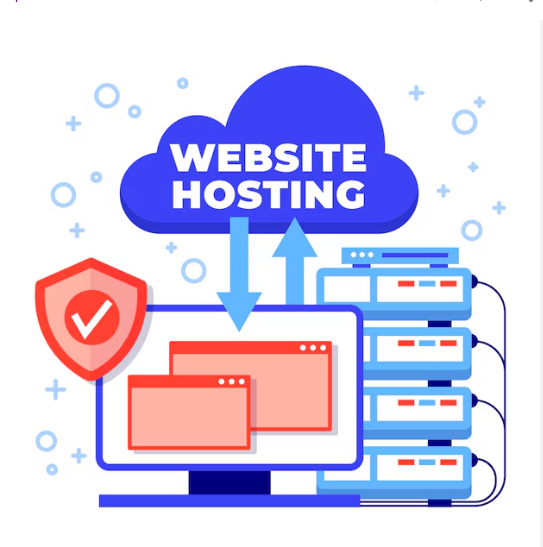
In the quest to minimize no-shows, implementing automatic booking reminders can be a game-changer for businesses. For those looking to enhance their online presence and improve customer engagement, understanding the importance of web hosting is crucial. A related article discusses how to unlock the potential of web hosting, which can significantly impact your online success. You can read more about it in this insightful piece on web hosting. By ensuring your website is reliable and user-friendly, you can create a seamless experience that encourages clients to show up for their appointments.
Integrating Reminders into Your Workflow and Policies
Automatic reminders aren’t a silver bullet on their own. They work best when integrated into your overall business operations and client policies.
Setting Clear Cancellation Policies
Your reminders should complement, not replace, a clear and easily accessible cancellation policy.
- Communicate Your Policy: Make sure your cancellation policy is visible on your website, in your booking confirmation emails, and even mentioned during the booking process.
- Reminders and Policy: Your reminder messages can subtly reinforce the policy. For example, “If you need to cancel, please do so at least [X] hours in advance to avoid a cancellation fee. You can reschedule here: [Link].”
Handling Cancellations and Reschedules Gracefully
Make the process of changing an appointment as smooth as possible.
- Easy Online Options: As mentioned, providing an easy-to-use rescheduling link in your reminders is key.
- Prompt Follow-Up: If a client calls or emails to reschedule, respond quickly. This shows you value their effort to communicate.
- Don’t Make It Punitive (Unless Necessary): While policies are important, be mindful of building goodwill. Sometimes, a one-off exception can retain a loyal client.
Analyzing Your Data
Most booking systems provide data on no-shows and cancellations. Use this to your advantage.
- Track Trends: Are there specific times of day or days of the week when no-shows are more common? Are there certain services that have higher no-show rates?
- Refine Your Strategy: Based on this data, you can adjust your reminder timing, frequency, or even consider if a particular service needs a different booking approach. For example, if you see a spike in no-shows for Monday appointments, perhaps a Sunday evening reminder would be beneficial.
The Human Touch Still Matters
While automation is fantastic, don’t forget the power of a personal connection.
- Follow-Up Calls: For high-value clients or particularly important appointments, a quick personal call to confirm can go a long way.
- Post-Appointment Check-ins: A brief follow-up after the service can reinforce positive feelings and encourage future bookings, reducing the likelihood of future no-shows.
By thoughtfully implementing automatic booking reminders and integrating them into your overall business strategy, you’ll find yourself spending less time dealing with no-shows and more time serving your clients and growing your business. It’s a simple, practical step that yields significant returns.
FAQs
What are automatic booking reminders?
Automatic booking reminders are messages sent to customers to remind them of their upcoming appointments or reservations. These reminders can be sent via email, text message, or through a mobile app.
How do automatic booking reminders help reduce no-shows?
Automatic booking reminders help reduce no-shows by keeping the appointment or reservation top of mind for the customer. By receiving a reminder, the customer is less likely to forget about the appointment and more likely to show up on time.
What are the benefits of using automatic booking reminders?
Some benefits of using automatic booking reminders include reducing the number of no-shows, improving customer satisfaction, and increasing overall efficiency for businesses. Reminders can also help businesses better manage their schedules and reduce the impact of no-shows on their operations.
What are some best practices for using automatic booking reminders?
Some best practices for using automatic booking reminders include sending the reminder at an appropriate time before the appointment, personalizing the message to the customer, and providing clear instructions for rescheduling or canceling the appointment if needed.
What are some popular tools or software for sending automatic booking reminders?
Some popular tools or software for sending automatic booking reminders include appointment scheduling software like Calendly, booking platforms like Square Appointments, and customer relationship management (CRM) systems like Salesforce. These tools often offer customizable reminder settings and integration with other business systems.