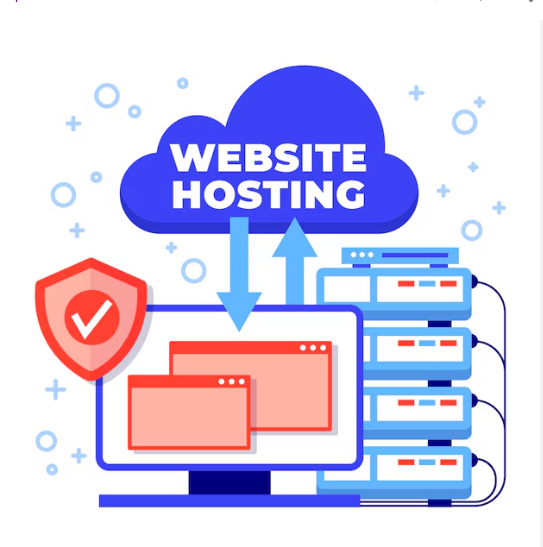
Keeping up a website is essential to keeping up an online presence. It includes a variety of activities intended to guarantee a website operates properly, stays safe, and offers the best possible user experience. Regularly meeting these needs is essential for both individuals & businesses; it is not an option. A series of issues, including broken links, sluggish loading times, and security flaws that could jeopardize private information, can arise from neglecting these tasks. The basics of reasonably priced website maintenance will be covered in this article, along with its significance, typical elements, & methods for handling it without incurring excessive expenses.
A website is not a static entity after it is launched. In order to flourish, this dynamic digital property needs constant care. Your website can be compared to a physical store. It would soon become unwelcoming and possibly dangerous if regular cleaning, shelf stocking, and security measures weren’t taken. A website also requires constant maintenance to stay usable & appealing to users.
For those seeking affordable website maintenance solutions, it’s essential to understand how exceptional web design can impact your site’s performance and upkeep. A related article that delves into this topic is available at Unlock the Power of Exceptional Web Design Services in Malaysia. This resource highlights the importance of investing in quality design to reduce long-term maintenance costs and enhance user experience.
Accessibility and Uptime. A lost opportunity is downtime. Potential clients cannot access an inaccessible website, which results in lost sales, inquiries, and brand interaction. Maintaining equipment is essential to ensuring consistent uptime.
Your digital doors must remain open through routine checks, server monitoring, and quick problem solving. data protection and security. The digital world is full of dangers. Malicious software and hackers are always looking for weaknesses.
For top-notch website services, visit our page today.
Applying security patches, upgrading software, and carrying out frequent security audits are all part of website maintenance. Not only is it required by law, but protecting user data and website data is also a fundamental trust-builder. User experience & performance. A website that loads slowly is a big turnoff.
For businesses looking to enhance their online presence, understanding the importance of affordable website maintenance is crucial. Regular updates and maintenance can significantly improve user experience and search engine rankings. If you’re interested in learning more about effective website design strategies that complement maintenance efforts, you can check out this insightful article on website design in Malaysia. This resource provides valuable tips that can help you create a visually appealing and functional website while keeping maintenance costs manageable.
Because users are impatient, they will probably abandon your pages if they take too long to load. Maintenance activities that affect website speed and, in turn, user experience include image optimization, code minification, and content caching. A positive user experience can raise your website’s search engine ranking, increase engagement, and promote conversions. Benefits of Search Engine Optimization (SEO). Fast, safe, & well-maintained websites are preferred by search engines.
Technical SEO audits and frequent updates are essential to efficient upkeep. You can make it more difficult for people to find you by having outdated content, broken links, & slow loading times affect your search engine rankings. Brand Credibility & Reputation. Your brand may suffer from a badly maintained website. Credibility & trust can be undermined by a website that is full of mistakes, out-of-date information, or security alerts. Regular upkeep conveys professionalism and meticulousness.
Maintaining a website at a reasonable cost involves using effective tactics and concentrating on necessary services rather than taking short cuts. Knowing what must be done & how to do it economically is crucial. regular backups. Your digital safety net consists of backups.
A recent backup enables quick website restoration in the case of a crash, hack, or unintentional deletion. Automated backup solutions are provided by numerous hosting companies and are frequently included in hosting packages. If not, a variety of trustworthy and reasonably priced third-party backup plugins and services are available. Robotic versus.
Manual Backups: Automated backups are consistent and convenient. More control is available with manual backups, but regular performance demands discipline. Storage Location: To guard against local disasters impacting both your website and your backups, store backups off-site.
Services for cloud storage provide scalable and reasonably priced solutions. Frequency: The frequency of backups is determined by how frequently the content on your website changes. Backups should be made every day for sites that are active. Modifications to software (CMS, plugins, themes).
The developers of content management systems (CMS) like WordPress, Joomla, and Drupal regularly update their systems as well as the plugins and themes that go with them. These updates enhance performance, add new features, & fix security flaws. Ignoring these updates is like leaving your digital doors open. The CMS Core Updates are the most important. Frequently, they have important security updates.
Updates for plugins and themes: Verify compatibility and resolve any possible issues. When it comes to critical functionality, it is best to test updates in a staging environment before deploying them to a live site. Verify that plugins and themes are compatible with the most recent version of the CMS before making any updates.
Security Monitoring and Scans. Reactive damage control is more expensive than proactive security measures. Frequent security scans can find vulnerabilities, malware, and questionable activity before they do serious damage.
Malware Scans: Malicious code can be found by automated scans. This feature is provided by numerous security plugins. Vulnerability assessments: Check for common security flaws on a regular basis.
Implementation of a Firewall: Malicious traffic can be stopped before it reaches your server by a website application firewall (WAF). Basic WAF features can be found in certain hosting plans. optimization of performance. Both user experience and search engine rankings depend on a website’s speed.
In order to minimize loading times, optimization uses a range of strategies. Optimizing images can drastically cut down on file sizes and loading times without compromising quality. Image optimization plugins or TinyPNG are examples of tools that can automate this. By using browser caching, users’ browsers can save portions of your website locally, resulting in faster loading times on subsequent visits.
Code minification: HTML, CSS, and JavaScript files can be made smaller by eliminating extraneous characters. Content Delivery Network (CDN): A CDN lowers latency by distributing the static content of your website among several servers across the globe, enabling users to download it from the server that is closest to them. Many CDNs provide free tiers for smaller websites, even though some have fees. Broken Link Checks. In addition to being annoying for users, broken links can hurt your SEO.
Checking your website frequently for broken external and internal links is a straightforward but crucial upkeep task. Links inside your own website are known as internal links. Links pointing to external websites (e.g. G.
affiliate links, & references). Tools: A variety of online checkers and Google Search Console are among the many free and paid tools available for examining broken links. It doesn’t have to be expensive to maintain a website. You can maintain your website in top condition without spending a lot of money by using resources and smart strategies.
using resources & tools that are free. There are many free resources available online that can help with website upkeep. The need for paid services can be greatly decreased by being aware of and making use of these resources. Google Search Console: This free tool from Google offers insightful information about how well your website performs in Google Search, including sitemaps, crawl statistics, and errors. These details are essential for both technical and SEO health.
Understanding user behavior, traffic sources, and spotting pages with high bounce rates—which could be a sign of performance or content problems—all depend on Google Analytics. Website speed test tools: Free performance analysis and improvement recommendations are provided by programs like Google PageSpeed Insights, Pingdom, and GTmetrix. Free backup plugins are available for a number of CMS platforms, providing simple yet reliable backup options. Theme and Plugin Repositories: Reputable vendors frequently provide free versions of their themes and plugins or regularly update them. Do It Yourself vs. Employing Experts.
Your technical proficiency, available time, and financial constraints will determine whether you choose to manage website maintenance internally or externally. DIY Method:. Benefits include direct control, cost savings, and educational opportunities.
Cons: Time commitment, higher learning curve for complex issues, and the possibility of mistakes if one is not knowledgeable. Best suited for: People or small enterprises with enough time and technical expertise. Employing independent contractors.
Advantages include time savings, access to specialized skills, and the potential for cost savings over agencies for certain tasks. Drawbacks: Needs thorough screening and, if poorly handled, may be irregular. Perfect for: Projects that require specialized knowledge or sporadic assistance. Employing a Maintenance Company or Service.
Advantages: Peace of mind, scheduled tasks, troubleshooting expertise, and comprehensive service. Cons: Usually the priciest choice. Perfect for: Companies with a dedicated budget and a strict focus on full outsourcing.
Setting maintenance tasks in order of importance. Not every maintenance task has the same level of urgency. By establishing priorities, important issues are taken care of first, averting more serious issues later.
Critical bug fixes, backup verification, security updates, & uptime monitoring are of utmost importance. These have an immediate effect on the security, usability, & core features of your website. The following are of medium priority: content updates, broken link checks, & performance optimization (image compression, caching). These have an impact on SEO and user experience.
Low Priority: Complete SEO audits, updating outdated content, and small design changes (unless there is a noticeable drop in ranking). negotiating packages for hosting. When it comes to website maintenance, your web hosting provider is crucial. Some hosting packages come with maintenance features or charge an extra, frequently affordable fee for them. Managed Hosting: Although typically more costly, managed hosting packages frequently come with performance enhancements, security updates, and frequent backups.
If the value of the included services is taken into account, this might be a more affordable option. Shared Hosting with Add-ons: For those on a tighter budget, choose basic shared hosting and, if necessary, upgrade to maintenance-focused services like security plugins or better backup options. Examining Hosting Contracts: Recognize the features that are part of your package.
Basic maintenance features that are frequently disregarded are provided by certain providers. Setting Up a Content Calendar. A content calendar is essential for maintaining a website’s freshness and engagement, which indirectly improves its SEO & perceived health, even though it is not strictly a technical maintenance task. Adding fresh, excellent content on a regular basis lets search engines know that your website is current and relevant. Content Refresh: Set aside time to examine & revise already-published material. Credibility can be harmed by outdated information.
New Content Creation: To keep your audience interested and draw in new visitors, schedule frequent blog entries, articles, or product updates. Even with the greatest of intentions, some errors can compromise your maintenance efforts and result in higher expenses or worse performance. disregarding updates for software. This is a serious security risk, as was already mentioned. Themes, plugins, and outdated CMS are common targets for hackers.
This is an invitation to trouble, much like not locking your doors. backups that are infrequent or nonexistent. The sense of security that comes with having backups is priceless. In their absence, a data loss incident may be disastrous, resulting in a great deal of downtime & lost income during the reconstruction process.
going overboard with plugins. Although plugins increase functionality, they also increase the amount of code on your website, which may cause loading issues & security flaws. Selecting plugins wisely & periodically checking installed plugins to eliminate unnecessary ones are important. Performance optimization is neglected.
Conversions and user satisfaction are silently destroyed by a slow website. If your site takes too long to load, users will just click away and go elsewhere. only using automated solutions. Although it is a useful tool, automation cannot replace human oversight. Verify automated processes frequently to make sure they are operating correctly, and examine reports to identify any irregularities.
Putting things off. Maintaining a website shouldn’t be put off until something goes wrong. Proactive maintenance, like routine health examinations, avoids serious problems and spares you from expensive emergency repairs.
In order to maintain consistent website health without financial strain, it is imperative to create a realistic budget. It necessitates having a thorough awareness of your requirements and the resources at your disposal. Identifying the Needs of Your Website. The complexity, volume of traffic, and type of data handled by your website will all affect how much maintenance it requires. E-commerce websites: Because of the sensitive nature of transactions & increased traffic demands, these sites need more reliable security, regular updates, and ongoing performance optimization. Blogs and informational websites typically require less upkeep & concentrate more on basic security and fresh content.
Portfolio Websites: The site’s accessibility and aesthetic appeal should be the top priorities. Cost estimation for do-it-yourself projects. Even a do-it-yourself method has expenses, mostly related to time, but also possibly for tools, premium plugins, or hosting upgrades in case the basic plans aren’t enough. Time Investment: Determine how many hours you or your group will spend on upkeep. Though unstated, this is a substantial expense.
Software and Tools: If free versions are not enough, account for the price of premium plugins for security, backups, or performance enhancement. Study Materials: If you need to learn new skills, think about the price of online tutorials or courses. contrasting freelancers’ and agencies’ fees. Get estimates from several sources and carefully examine the inclusions of each service package when thinking about hiring a professional.
Rates for freelancers can vary greatly depending on location and experience. Seek out people with a solid reputation and track record. Agency packages frequently provide tiers of plans. Recognize how basic, standard, & premium packages differ from one another.
Request a thorough description of the services that are covered by each. Proactive maintenance’s long-term benefits. Viewing website maintenance as an investment rather than a cost is crucial.
Proactive maintenance is nearly always less expensive than fixing a major website malfunction, security breach, or large traffic loss brought on by subpar performance. Avoiding Revenue Loss: Sales and lead generation are directly impacted by a website that is consistently fast and easy to use. Preserving Brand Equity: A well-designed & safe website encourages confidence and enhances the standing of your company. Reducing Downtime Costs: Downtime can result in missed sales opportunities, irate customers, and possible harm to your website’s search engine rankings.
In conclusion, with careful preparation, wise decisions, & a dedication to consistent maintenance, the goal of inexpensive website maintenance is attainable. Your website can continue to be a useful tool for your online presence if you comprehend its key elements, make use of the resources at your disposal, and steer clear of common pitfalls.
.
FAQs
What is affordable website maintenance?
Affordable website maintenance refers to cost-effective services that keep a website updated, secure, and functioning properly without requiring a large budget. It includes tasks like software updates, backups, security monitoring, and content updates.
Why is website maintenance important?
Website maintenance is important to ensure the site remains secure from cyber threats, loads quickly, functions correctly, and provides a good user experience. Regular maintenance also helps improve search engine rankings and prevents costly downtime.
What services are typically included in affordable website maintenance plans?
Affordable website maintenance plans usually include regular backups, software and plugin updates, security monitoring, performance optimization, content updates, and technical support.
How often should website maintenance be performed?
Website maintenance should be performed regularly, often on a weekly or monthly basis, depending on the website’s complexity and traffic. Critical updates and security patches should be applied as soon as they are available.
Can small businesses benefit from affordable website maintenance?
Yes, small businesses can greatly benefit from affordable website maintenance as it helps keep their websites secure, up-to-date, and competitive without straining their budgets. It also allows them to focus on their core business activities.