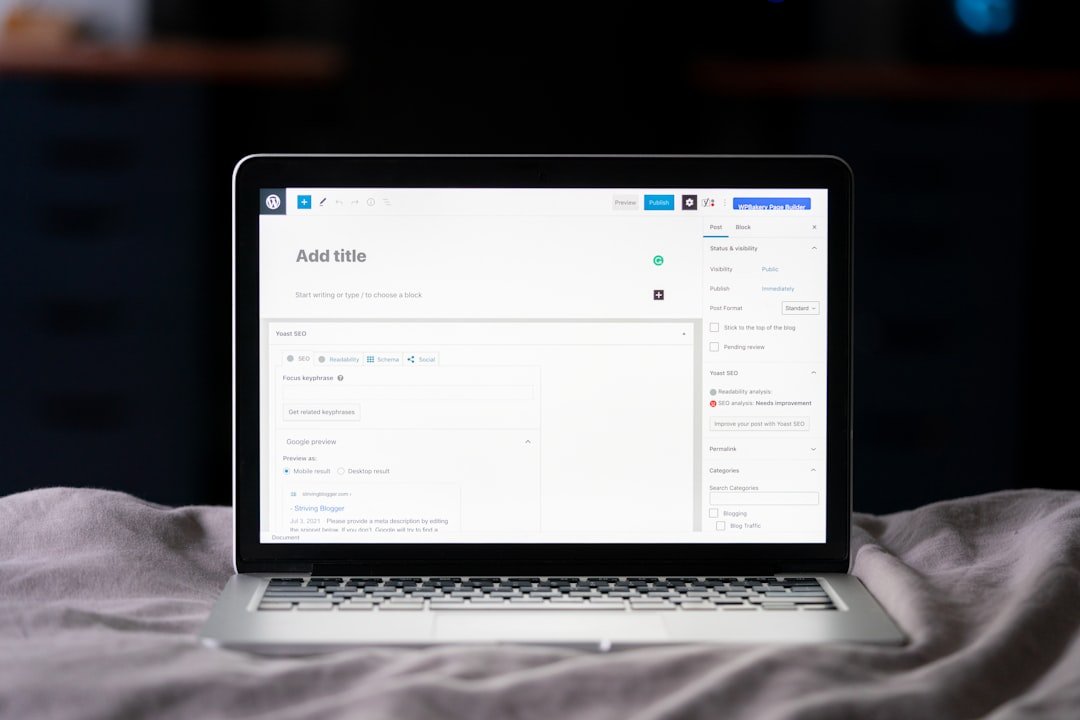
Looking to streamline your WordPress booking process? You’ve come to the right place! Using online reservation software with your WordPress site is a great way to reduce administrative work, prevent duplicate bookings, and provide your customers with a simple way to reserve a spot. It essentially automates everything, including payments and availability checks, so you can concentrate on your strengths.
No more missed calls or never-ending email chains when attempting to coordinate. It’s about adding contemporary efficiency to your reservation system without going over budget or needing a coding degree. For good reason, a significant portion of the internet is powered by WordPress. It has a vast ecosystem of plugins, including some great reservation tools, & is adaptable & easy to use.
If you’re looking to enhance your WordPress website with effective online reservation software, you might find it beneficial to explore related marketing strategies. A great resource for understanding how to promote your services online can be found in this article on online marketing services. You can read more about it here: Online Marketing Services. This article provides valuable insights that can help you attract more customers to your reservation system.
This combination gives you a strong, customizable website where you can handle all of your reservations in one location. The Integration Power. Consider this: your website is frequently the initial point of contact for prospective clients. It just makes sense to have that option available and seamlessly integrated when they’re ready to make a reservation.
No reroutes to external websites that could appear awkward or strange. It fosters trust and is a tidy, reliable experience. solutions that are economical. WordPress reservation plugins can be very affordable when compared to custom-built reservation systems or even some stand-alone SaaS platforms.
Sure, here is the sentence with the clickable link:
Check out our new Booking Site at https://www.facebook.com/epoweronlinemarketing/ for all your travel needs.
You can get a lot of features without the high cost that comes with proprietary software by paying a one-time fee or a fair annual subscription. Management and Personalization. WordPress puts you in control.
If you’re looking to enhance your website’s functionality, integrating WordPress online reservation software can be a game changer for businesses in the hospitality industry. This software not only streamlines booking processes but also improves customer experience significantly. For insights into the latest trends and strategies that can help you succeed in hosting, you might find this article on hosting strategies particularly useful. By staying informed about industry advancements, you can make better decisions for your business and attract more customers.
You are the owner of your data, and you are free to make your booking interface look and feel exactly how you want it to. You don’t always get this degree of control on other platforms. Okay, so you’re persuaded.
If you’re looking to enhance your WordPress site with effective online reservation software, it’s essential to consider how web design plays a crucial role in user experience. A well-designed website not only attracts visitors but also encourages them to make reservations easily. For insights on improving your website’s design, you can explore this article on exceptional web design services in Malaysia, which highlights key strategies to elevate your online presence and streamline customer interactions.
But how do you choose the best plugin when there are so many options available? It’s not about finding the “best” plugin, but rather the best plugin for your particular needs. Determine Your Specific Requirements. Make a list of the items you absolutely need before you begin browsing.
Do you need staff management, calendar syncing, or payment processing for appointments, rooms, classes, or events? Booking Type: Is it time-slot-based? (g). duration-based (e.g., salon appointments, consultations). (g). hotel rooms, equipment rentals), or event-based (e.g. (g).
concerts, workshops)? Capacity: Do you have to accommodate several people for a single time slot or event, or do you book one-on-one? Payment Requirements: Do you have to take deposits, pay in full, or just record reservations?
Complexity of Scheduling: Are your services unavailable on certain days or at certain times? Do you have a variety of employees with different schedules? Integrations: Do you require syncing with CRM systems, Google Calendar, Outlook, or accounting software?
Important Features to Consider. You can more successfully assess plugins based on their features once you are aware of your needs. Intuitive User Interface (UI): For both your clients and you, the administrator.
People won’t use it if it’s cumbersome. Being responsive on mobile devices is essential. Most people use their phones for booking & browsing.
Calendar View: An understandable calendar that shows availability. Customization for buffer times, holidays, working hours, & recurring appointments is possible with flexible scheduling options. Payment Gateway Integration: Support for well-known services such as Stripe, PayPal, & others. Email notifications: automated cancellations, reminders, and confirmations for both clients and employees.
Customer management: A method for monitoring client information and past reservations. Analytics & Reporting: Data on popular services, income, & reservations. API for Custom Integrations: An API can be extremely helpful if you have complex requirements. Support and Documentation: When you encounter a problem, having good support is really helpful.
Freedom vs. Premium: What Makes It Different? A free version with basic features & a premium version with more sophisticated functionalities are offered by many plugins. Free Plugins: Excellent if you’re just starting out or have very basic booking requirements. They usually provide basic booking features.
Improved features like staff management, calendar sync, advanced scheduling rules, payment gateway integration, & priority support are typically offered by premium plugins. If a large portion of your company’s income comes from reservations, take these into consideration. The setup procedure is typically fairly simple once you’ve selected your plugin, though it may differ slightly depending on the particular plugin. both activation and installation. These are typical WordPress features.
Navigate to Plugins > Add New, find the plugin you want, click Install Now, and then click Activate. initial setup. The majority of plugins have a dedicated settings panel or will guide you through a setup wizard.
You’ll define the fundamentals here. General Settings: Configure your currency, date and time formats, and time zone by default. Definition of Service/Product: Describe the services or products that can be reserved.
Names, descriptions, durations, costs, & any capacity restrictions are all included in this. Availability: Define your regular working hours, specific days off, and any special availability for certain services. This is essential to avoiding duplicate reservations. modifying the reservation form.
Your clients will see the reservation form. Make it simple to use, clear, & succinct. Field Management: As needed, add or remove fields (e.g. “g.”. name, phone number, email, & unique requests). Don’t ask for too much up front.
Branding: Align the color scheme and typefaces of the form with the style of your website. Trust is built on consistency. Customize the confirmation messages that clients receive following a successful booking. gateway integration for payments.
This is a crucial step if you are collecting payments. Connect Your Accounts: Connect the plugin to your PayPal, Stripe, or other payment processor accounts. Establish Pricing Rules: Specify if a deposit, full payment, or no payment is needed at the time of reservation. Refund Policies: Clearly outline your cancellation and refund policies, ideally in the booking confirmation as well as on your website.
Organizing Alerts. Your greatest allies when it comes to informing everyone are automated emails. Customer Notifications: Configure reminder emails (e.g.), confirmation emails (booking details, date, time, location, and cost). “g.”. 24 hours prior), and emails about cancellations. Admin/Staff Notifications: Make sure that you and your group are informed of any changes, cancellations, or new reservations. Customization: Employ placeholders (e.g. (g).
To add a personal touch to emails, use [customer_name], [service_name]. Making sure the system works for you on a daily basis is the next step after everything is set up. The dashboard for administrators.
The majority of plugins offer a single dashboard where you can quickly view all of your reservations. Calendar View: For a fast overview, a visual depiction of your schedule is crucial. Booking List: A comprehensive list of all reservations that can be filtered by customer, service, date, or status.
Editing and Cancelling Reservations: If necessary, you ought to be able to quickly change or cancel reservations on behalf of clients. Self-service for clients. Giving clients the ability to handle their own reservations can save a tonne of time. Account Creation: Give clients the option to register in order to view and control their forthcoming appointments. Rescheduling/Cancellation: Give clients the choice to reschedule or cancel appointments in accordance with predetermined guidelines (e. “g.”.
not in less than a day). Direct requests to you are decreased as a result. Analytical and reporting. You can make better business decisions by being aware of your booking trends.
Booking Volume: What is the daily, weekly, or monthly number of reservations you receive? Popular Services: Which of your offerings are in the highest demand? Revenue Monitoring: How much money do you make from reservations?
No-Show Rates: Keep an eye on these to spot possible problems or modify reminder tactics. Establishing a system is fantastic, but it needs to be regularly maintained & optimized to function properly. Plugins should be updated frequently. Like WordPress itself, WordPress plugins are regularly updated. Security: To safeguard your website and client information, updates frequently come with security patches.
New Features: Developers enhance or add new features. Updates guarantee compatibility with the most recent versions of WordPress and additional plugins. Always make a backup of your website before making any changes!
Examining and modifying accessibility. Booking availability shouldn’t be static because your business isn’t. Holidays and Special Occasions: Don’t forget to reserve certain dates for personal time, holidays, or important business occasions.
Seasonal Variations: Modify your availability in accordance with the seasonality of your services. Staff Changes: When team members switch shifts or schedules, update staff availability and schedules. Getting input and making revisions. Your clients are the most critical of you. Pay attention to what they are saying. Surveys: Send out a brief survey regarding the booking process following a service.
Was it simple? Was there anything unclear? Direct Feedback: Urge clients to contact you if they have any problems.
Track Analytics: Look for trends that could point to areas where the booking process is difficult (e.g. The g. high rates of desertion at a particular stage).
Utilize this information to make wise adjustments. Your booking pages should be optimized for search engines. Remember that organic traffic can come from your booking pages. Keywords: Make sure your booking pages & service descriptions contain pertinent keywords. Clear Descriptions: To promote reservations, write engaging, educational descriptions for every service.
Schema Markup: To improve search engines’ comprehension of the content of your booking pages and possibly produce rich snippets in search results, use schema markup (if your plugin supports it or through another plugin). Although putting in place a WordPress online reservation system may seem like some work up front, the long-term advantages in terms of productivity, client satisfaction, and less administrative work are well worth the effort. Giving your clients the seamless experience they demand in today’s digital world requires working smarter, not harder.
.
FAQs
What is WordPress online reservation software?
WordPress online reservation software is a tool that allows businesses to accept and manage reservations and bookings directly through their WordPress website. It typically includes features such as a booking calendar, online payment processing, and customer management.
How does WordPress online reservation software work?
WordPress online reservation software integrates with a business’s website to provide a user-friendly interface for customers to make reservations or bookings. It typically allows businesses to set availability, manage bookings, and communicate with customers all within the WordPress platform.
What are the benefits of using WordPress online reservation software?
Some benefits of using WordPress online reservation software include streamlining the booking process, reducing administrative tasks, improving customer experience, and increasing revenue through online bookings. It also provides businesses with valuable data and insights into their booking trends.
What types of businesses can benefit from using WordPress online reservation software?
WordPress online reservation software can benefit a wide range of businesses, including hotels, restaurants, tour operators, event venues, rental services, and more. Any business that relies on appointments or bookings can benefit from using this type of software.
What are some popular WordPress online reservation software options?
Some popular WordPress online reservation software options include WooCommerce Bookings, Amelia, Bookly, and BirchPress. These plugins offer various features and customization options to meet the needs of different types of businesses.