For both companies & their clients, making reservations for services can be quite difficult. It’s a surefire way to create chaos: phone calls, emails, scrawled notes, double bookings, etc. The good news is that a booking plugin is a simple solution if you’re using WordPress to run a service-based business.
From displaying availability and gathering client information to processing payments and sending reminders, these plugins manage every step of the appointment process within your current website. As a result, you will have less administrative work to do and your clients will have a more seamless, convenient experience. Manual booking requires a significant amount of time & resources, let’s face it.
If you’re looking to enhance your business’s online presence, implementing a service booking WordPress plugin can be a game-changer. Not only does it streamline the appointment scheduling process for your clients, but it also integrates seamlessly with your website, making it more user-friendly. To understand the importance of having a website for your company and how it can boost your service offerings, check out this insightful article on why having a website is essential for your company: Why Having a Website is Essential for Your Company.
Every phone call, email, and calendar entry is a chore that diverts you from your primary activity, which is offering your services. This entire process is essentially automated by integrating a booking plugin, freeing you up to concentrate on your main business. Take Back Your Time & Lighten the Administrative Load. Imagine not having to follow up on payment information or respond to every question regarding availability.
An excellent booking plugin takes care of all of this automatically. Without your direct involvement, your clients can view your schedule, select a time that works for them, and finish their booking. This gives you valuable time that you can use to market your company, enhance your services, or just take a much-needed vacation. Also, it drastically lowers the possibility of scheduling errors by humans.
Sure, here is the sentence with the clickable link:
Check out our new Booking Site at https://www.facebook.com/epoweronlinemarketing/ for all your travel needs.
Increase customer satisfaction & experience. In the fast-paced world of today, convenience is paramount. Consumers anticipate being able to schedule services whenever they want, frequently after regular business hours. A 24/7 online reservation system is ideal for meeting this need. When it’s convenient for them, they can use their phone or computer to browse your services, check availability, and schedule an appointment.
If you’re looking to enhance your website’s functionality, consider exploring the benefits of a service booking WordPress plugin. These plugins can streamline appointment scheduling and improve customer experience significantly. For more insights on how to effectively leverage online tools for your business, check out this informative article on web hosting, which discusses how to unlock the full potential of your online presence. You can read it here: unlocking web hosting’s power.
Customer satisfaction can be greatly increased by this accessibility, which may even encourage repeat business. Increase Precision and Reduce Misses. Errors occur, particularly when manually managing several appointments.
By strategically managing your availability, booking plugins virtually eliminate scheduling conflicts and double bookings. Also, a lot of plugins provide automated SMS or email reminders, which are very successful in decreasing no-shows. One or two days prior to an appointment, a polite reminder can make all the difference, saving you time and money. Get Useful Business Insights.
The majority of booking plugins have reporting tools that provide a plethora of data about your company. Popular services, peak booking periods, client demographics, & even trends can all be tracked. This information is crucial for making well-informed business decisions, whether you want to add new services, optimize your staffing, or change your pricing.
Not every booking plugin is made equally. It’s useful to have a list of crucial features to make sure you choose the best one for your company. Concentrate on features that directly meet your unique requirements.
Personalized reservation forms. The front door to your service is your booking form. It must be comprehensible, intuitive, and collect all relevant data. Seek out plugins that let you add required questions, alter fields, and even incorporate conditional logic (e.g. “g.”. requesting specific information only in the event that a particular service is chosen).
This guarantees that you receive all the information you require without overburdening your clients. Adaptable scheduling choices. Schedules vary depending on the service. Your plugin ought to be able to handle this.
Think about attributes such as these. Multiple Service Support: Are you able to provide a range of services, each with its own time frame, cost, & accessibility? Buffer Times: Do you require a preparation or cleanup break in between appointments? Group Reservations: If you have workshops or classes, can clients reserve more than one spot?
Staff Management: Is it possible to allocate reservations to particular employees who have different schedules? Recurring Appointments: Is it simple for regular clients to schedule recurring appointments? Payment gateways with integration. Receiving compensation is essential. A good booking plugin should work flawlessly with both local and well-known payment gateways, such as PayPal & Stripe.
This saves you administrative work and secures the reservation by enabling clients to pay for their services in full or with a deposit. Make sure the payment procedure is safe and simple. automated reminders & notifications. Much of the labor-intensive work for customer communication takes place here.
The following should be sent by the plugin. Booking Confirmations: Right after a reservation is made. Reminders for appointments: One or two days prior to the time slot. Follow-up Messages: For comments or future reservations, possibly following the service. Notifications of cancellation: To both the client and your company.
For a wider audience, these notifications should ideally support both email and SMS, and their content and timing should be customizable. synchronization of a calendar. Whether you use an Outlook calendar or your own Google Calendar, having all of your appointments in one location is very handy. Seek out plugins that provide two-way synchronization with widely used calendar programs. This implies that reservations made via your website show up in your external calendar, and the availability of your website reflects any busy times in your external calendar. This keeps your schedule current and avoids conflicts.
Analytics and report generation. Gaining insight from your booking data can help your company expand. You can see this with a powerful reporting feature.
Volume of Bookings: How many appointments are you receiving? Popular Services: What are the most in-demand services you provide? Revenue Generated: A detailed summary of your earnings. Customer demographics: What kind of customers do you serve?
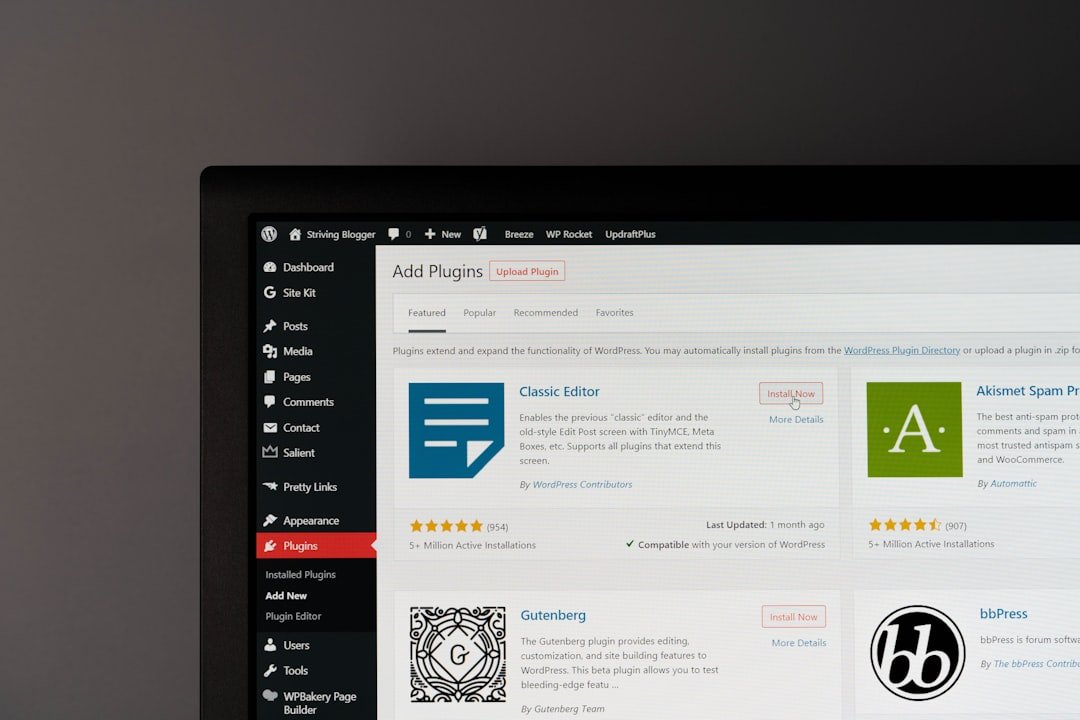
Making strategic decisions, identifying trends, & optimizing your services are all made possible by this data. After selecting a plugin, there are typically a few crucial steps involved in the setup process. Although it’s usually fairly simple, you and your clients will have a seamless experience if you take your time & comprehend every setting. Activation and installation. Usually, this is a typical WordPress process.
Typically, you will either search for the plugin directly in the ‘Plugins’ section, click ‘Install Now’, and then ‘Activate’, or download the plugin file and upload it through your WordPress dashboard. Set up the General Settings. Examine the plugin’s primary settings. This is where your booking system’s fundamental parameters will be established. Working Hours: Determine your total working hours, which should include days off and breaks.
Timezone: Important for precise scheduling, particularly if you serve clients from abroad. Currency: Choose the currency that will be used for your prices. Date and Time Formats: Select the format for displaying dates and times. Set a default duration for appointments if necessary. Describe What You Offer. You should list everything you have to offer here.
Usually, you will need to set: for each service. Service Name and Description: Give a detailed explanation of the services provided. Duration: How much time does it take? Cost: What is the price?
Buffer Time: If you require time either prior to or following a scheduled appointment. Capacity: How many people can come if a group reservation is made? Availability Rules: This service is available on certain days & times. Control Your Employees (If Applicable). You’ll need to make profiles for each team member if they are offering services.
Add names, contact information, and perhaps a brief bio to staff profiles. Individual Schedules: Establish each employee’s working hours and vacation days. Service Assignments: Associate particular employees with the services they offer. Incorporate payment gateways. Link the payment processors of your choice.
Typically, this entails entering API keys or using the plugin’s straightforward authentication procedure. This step cannot be changed if you intend to take payments via your website. Personalize your alerts. Customize the SMS & automated emails. Email templates: Modify the language and branding to reflect your company.
SMS Settings: Set up your SMS gateway and message content if you have the option. Timing: Decide when to send follow-ups & reminders. Show the booking form.
You must make your booking system available on your website once everything has been set up. The majority of plugins offer:. Shortcodes: Add the booking form to any page or post with ease. Gutenberg Blocks and Page Builder Elements: Visual builders can drag and drop elements. Dedicated Booking Page: A page for your booking system may be automatically created by the plugin. Make sure your customers can easily find your booking form by placing it strategically on your website, such as on the “Services” page, “Contact” page, or a dedicated “Book Now” page.
How do you sort through the overwhelming number of booking plugins available? It really comes down to matching the plugin’s features with your particular business requirements & financial constraints. Think about the size and type of your business.
Do you run a big fitness facility with several instructors, a small clinic, or a solo practice? Solo service providers may only require the most basic features for payment, scheduling, & notifications. Simpler, less expensive, or free plugins might be adequate. Small to medium-sized businesses probably need advanced reporting, a variety of service options, and staff management. Premium mid-range plugins would work well.
Big Businesses: They might require enterprise-level features like multi-location support, CRM integrations, and advanced analytics. These frequently have more complicated setups & higher price tags. Compare Features.
The price. Basic versions of booking plugins are available for free, while premium options with yearly subscriptions can cost hundreds of dollars. Free plugins are excellent for simple tasks, but they frequently have restrictions on features, support, or booking volume.
To test the waters, they can be a good place to start. More features, superior support, frequent updates, and frequently stronger integrations are all provided by premium plugins. Think about the features that are really necessary for your business. Don’t spend money on features you won’t use, but don’t cut corners on features that will actually save you time or enhance customer satisfaction. Verify compatibility.
The rest of your WordPress website must work well with your booking plugin. WordPress Version: Verify if the plugin works with the version of WordPress you currently have installed. Theme Compatibility: It should ideally function & look well with the WordPress theme you have selected. To help them blend in, many plugins provide custom styling options.
Additional Plugins: If you employ additional essential plugins (e.g. “g.”. e-commerce, CRM), make sure the booking plugin doesn’t interfere with them or integrates with them. Support & ease of use for users. Since you’ll be using this plugin frequently, usability is crucial. Admin Interface: Can you find the settings you need quickly?
Is the dashboard simple to use and intuitive? Customer Experience: Try it out as if you were a customer to see if your clients can easily and clearly make reservations. Documentation and Support: What kind of documentation is offered? Is customer service responsive in the event that you encounter a problem? Look for reviews to gauge the caliber of the support.
View Test Demos and Reviews. Spend some time doing your homework before committing. View user reviews to find out what other people think of the plugin. Look for frequent compliments and grievances.
Plugin Demos: A lot of high-end plugins come with live trials or demos. Before you buy the plugin, use these to get a sense of its features and user interface. This is the best method to make sure it satisfies your particular requirements. Installing a plugin is not something you can “set it and forget it” about.
To make sure your booking system keeps working well for your company, regular maintenance and optimization are essential. regular updates. WordPress plugins are regularly updated for new features, security, & compatibility. Keep Your Plugin Up to Date: Make sure to update your booking plugin as soon as new features become available. This guarantees that you have access to the most recent updates and shields your website from vulnerabilities. Make a backup of your WordPress website before making any significant changes, including updating plugins.
This is a recommended practice. This offers a backup plan in case something goes wrong. Analyze performance.
Customers may become irate and abandon reservations if the booking process moves slowly. Verify Loading Times: Test your booking pages on a regular basis to make sure they load quickly. Optimize Images: Make sure your images are optimized for web performance if you use a lot of them on your booking pages. Server Performance: Make sure your web hosting is capable of managing the volume of traffic and database queries that your reservation system generates.
Get input and make adjustments. Your best source of information for enhancing the booking experience is your customers. Request Feedback: You might want to include a brief feedback form following a booking or send out surveys on a regular basis. Track Abandoned Bookings: If your plugin keeps track of abandoned carts or reservations, examine potential drop-off locations & modify your procedure as necessary. Adjust Based on Feedback: If a step or feature is frequently difficult for customers to use, consider ways to make it simpler or give clearer instructions.
Examine your offerings and costs. The settings in your reservation system are not final. Update Service Offerings: Ensure that the services, durations, and descriptions in the plugin are correct and current as your business develops. Price Modifications: Make sure your booking system reflects any changes you make to your prices right away.
Availability Management: Maintain up-to-date staff schedules & business hours, particularly on holidays or during periods of leave. You can make sure your WordPress booking plugin continues to be an effective tool for expediting your service booking procedure, raising customer satisfaction, & eventually expanding your company by actively maintaining and improving it. It’s an investment that keeps paying off with a little continued care.
.
FAQs

What is a service booking WordPress plugin?
A service booking WordPress plugin is a tool that allows businesses to easily manage and accept online bookings for their services directly from their WordPress website. It typically includes features such as customizable booking forms, calendar integration, payment processing, and appointment scheduling.
How does a service booking WordPress plugin benefit businesses?
A service booking WordPress plugin benefits businesses by streamlining the booking process, reducing administrative tasks, and improving customer experience. It allows businesses to accept bookings 24/7, manage appointments efficiently, and increase their online presence.
What are some key features to look for in a service booking WordPress plugin?
Key features to look for in a service booking WordPress plugin include customizable booking forms, calendar integration, multiple service and staff management, payment processing, email notifications, and integration with popular third-party tools such as Google Calendar and WooCommerce.
Is it easy to install and use a service booking WordPress plugin?
Yes, most service booking WordPress plugins are designed to be user-friendly and easy to install. They typically come with detailed documentation and support to help users set up and customize the plugin according to their specific business needs.
Are there any limitations to using a service booking WordPress plugin?
While service booking WordPress plugins offer many benefits, some limitations may include the need for regular updates and maintenance, potential compatibility issues with other plugins or themes, and the possibility of limited customization options depending on the chosen plugin.