Have you ever wondered why some companies seem to be able to attract new clients with ease while others find it difficult? It often boils down to comprehending and becoming an expert in the customer acquisition funnel. Consider it a road map for transforming prospective clients from total strangers to devoted patrons.
Although it sounds like a fancy marketing term, it’s actually just a useful way to track how you’re drawing in and converting customers. Knowing the Stages: Where Do They Begin and Where Do They End? Fundamentally, the customer acquisition funnel divides the process from first awareness to a paying customer into discrete stages.
Understanding the Customer Acquisition Funnel is crucial for any business looking to enhance its marketing strategies. A related article that delves into the importance of content in digital marketing can be found at this link. It emphasizes how effective content can guide potential customers through the various stages of the funnel, ultimately leading to higher conversion rates and customer loyalty.
It’s a framework that assists you in determining where prospective clients are in their decision-making process rather than a strict, one-size-fits-all model. By being aware of these phases, you can adjust your efforts to suit their requirements at every stage, resulting in a more efficient & seamless process overall. The spark of interest is awareness. This is a person’s initial interaction with your product or brand.
It’s possible that they don’t even realize they have a problem that you can solve yet; the main objective is to draw attention and spark interest. Imagine it as sowing a seed. Ways to Educate Them. Content marketing is the process of producing insightful blog entries, articles, or videos that tackle typical queries or problems in your sector.
Sure, here is the sentence with the clickable link:
Check out the amazing Funnel Landing Page at https://funnel.epoweronlinemarketing.com/.
Social Media Presence: Participating in discussions, sharing engaging content, and interacting on platforms where your target audience congregates. Paid advertising is the practice of placing targeted advertisements on social media or search engines to target particular groups. Public relations: Reaching a larger audience and establishing credibility by being featured in pertinent publications or media outlets. SEO is the process of making your website more search engine friendly so that people who are looking for solutions can find you.
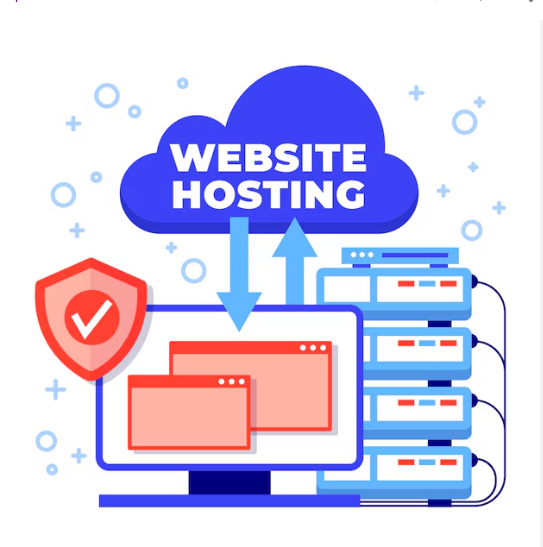
Understanding the Customer Acquisition Funnel is crucial for businesses looking to optimize their marketing strategies and improve conversion rates. A well-structured funnel guides potential customers through their journey, from awareness to decision-making. To enhance your funnel’s effectiveness, it’s essential to consider various factors, including the importance of a reliable online presence. For insights on how website hosting can impact your overall marketing efforts, you can read more in this article about the importance of website hosting.
Raising awareness is more than just shouting from the rooftops. It’s about being there & offering something worthwhile where prospective clients are already searching or spending time. It’s a win for awareness if they are looking for “how to bake sourdough,” and you have a fantastic blog post about it.
Interest: They’re Wondering What to Do? The next step is to cultivate that initial curiosity once someone has heard about you. They may have read your blog post, visited your website, or clicked on an advertisement. They are now actively seeking additional information to determine whether you are a good fit.
Here is where you begin to establish a rapport and highlight your individuality. piqueing their curiosity. Detailed Product/Service Pages: Clearly outlining your offerings, advantages, and methods of problem-solving.
Informative Guides and Ebooks: Providing comprehensive materials that showcase your knowledge and offer additional education. Webinars & online workshops: Inviting them to participate in interactive sessions where they can ask questions and learn more. Testimonials & case studies: Providing actual instances of how you have assisted others in achieving their goals. Social Media Engagement: Creating a sense of community, answering queries, & reacting to comments.
You’re not trying to close a deal at this point; instead, you’re attempting to establish trust and give them the knowledge they need to feel secure going forward. Give them a useful checklist or a complimentary guide in return for their time. This is a chance to begin developing a relationship. They’re Taking You Into Consideration.
Your prospective client is currently actively weighing their options. They’ve probably examined yours as well as a few of your rivals. They are evaluating the benefits and drawbacks, taking into account features, cost, and total value. Here, you want to show them why you are the best option. directing their choice.
Free trials or demos: Giving customers a chance to try your goods or services for themselves. Comparison pages: Describe your advantages over rivals in detail. Special Offers & Promotions: Offering rewards to persuade them to select you right away. Personalized Consultations: Providing one-on-one advice to meet particular needs.
Availability of Customer Support: Ensuring that any unanswered questions can be readily addressed. Where the rubber meets the road is right here. Make it simple for them to understand the real advantages of picking you. Consider potential objections and take proactive measures to address them.
Provide a definite value for the money. Is it complicated? Demonstrate your user-friendliness. Action: They end up becoming a client. Congratulations!
They’ve made the purchase! The goal of this phase is to ensure a seamless and constructive transition. Long-term loyalty can be fostered by a positive onboarding experience. Taking Action. Simplified Checkout Procedure: Eliminating any obstacles or complexity from the process of making a purchase.
Clear Payment Options: Providing a number of safe and practical payment methods. Confirmation and Thank You: Thanking them and confirming their order right away. Onboarding Materials: Giving them tools to get going and see results right away. Excellent Customer Service: Being accessible to help with any queries or problems that arise after a purchase. The action stage is the start of their customer experience, not just the transaction itself. Even after they’ve completed the entire funnel, a bad checkout experience can result in abandonment.
In a similar vein, a convoluted onboarding procedure may result in dissatisfaction & attrition. Retention: It’s crucial to keep them around. While gaining new clients is fantastic, keeping existing ones is frequently more profitable. A devoted consumer is more likely to spend more money over time, make additional purchases, and even recommend your business to others.
Building enduring relationships and promoting ongoing satisfaction are the main goals of this stage. Retention Strategies. Outstanding Customer Service: Being accommodating, sympathetic, & quick to respond to their needs. Loyalty programs and rewards: Providing special benefits or discounts to encourage recurring business.
Personalized Communication: Depending on their preferences, send pertinent offers, updates, and check-ins. Getting Feedback: Actively seeking out their thoughts and utilizing them to enhance your products. Creating areas where consumers can interact with one another & your business is known as community building. Consider retention as an essential component of your customer acquisition strategy rather than as an afterthought.
The likelihood that your current clients will recommend new ones increases with their level of satisfaction, thereby bringing them back to the top of your funnel. There is no one-size-fits-all method for mapping your own funnel. The flexibility of the customer acquisition funnel is one of its best features.
There may be additional stages in your particular funnel, or the stages may have different names. The secret is to pinpoint the distinct stages that your average customer experiences, from their initial awareness to becoming a repeat customer. Finding Your Own Way. Drawing out or recording the steps a customer takes with your business is known as customer journey mapping. Surveys, user behavior data analysis, and interviews may all be part of this.
Examining Website Analytics: Programs such as Google Analytics can show you how visitors move around your website, where they stop, and what content they interact with. Examining your sales records to identify typical routes and points of contact that result in a purchase is known as a sales data review. Analyzing customer feedback involves hearing what your customers have to say about their experiences. What queries do they frequently ask, and how do they vent their frustrations?
Avoid becoming bogged down in an attempt to replicate a textbook funnel exactly. Concentrate on what makes sense for your company and target market. Your funnel may have more “decision” and “implementation” stages than a direct-to-consumer online store if you sell sophisticated B2B software.
Optimizing Every Step: Converting Leaks into Conversions. The real work starts with optimizing your funnel after you’ve mapped it out. This entails figuring out where prospective clients are leaving and putting plans in place to increase conversion rates at every turn. Consider repairing a bucket’s leaks.
Optimal Awareness. Ad Copy & Creatives A/B Testing: Find out which advertisements appeal to your target market the most. Extending Keyword Research: Finding new avenues for people to look for your services.
Investigating New Social Media Platforms: Take into consideration using a platform that your audience uses if you haven’t yet. Partnerships and Guest Blogging: Working with others to reach new audiences. Casting a broader, more efficient net is the aim here.
You may be in the wrong places or your messaging may be off if people are aware of you but are not clicking. The optimization of interest. Increasing the Speed at Which Websites Load: Slow websites are a big turnoff.
Using distinct headings, succinct paragraphs, and eye-catching images can improve the readability of content. Customizing Email Sequences: Delivering relevant content according to user activity. Providing More Downloadable Resources: Distributing useful materials such as templates or checklists. People may not be receiving enough value or your content may not be engaging enough if they are expressing interest but not progressing to the decision stage.
Optimizing decisions. Improving Your Value Proposition: Clearly state why you are the superior option. Simplifying Pricing Tiers: Facilitating customers’ comprehension of their choices. Increasing Social Proof: Including more case studies, reviews, and testimonials.
Enhancing Your FAQ Section: Preemptively addressing frequently asked questions. Here’s where your confidence grows. They probably have unanswered questions or aren’t entirely convinced of the ROI if they’re stuck here. Optimizing actions. Reducing Form Fields: Only requesting pertinent data.
Enabling Guest Checkout: Not requiring users to register. Emphasizing Security Seals: Assuring clients that their data is secure. Offering a variety of payment methods to accommodate varying tastes. At this point, friction results in a direct loss of business. Every additional click or piece of information needed could lead to their cart being abandoned. Optimizing Retention.
Getting in touch with customers before they even have an issue is known as proactive customer support. Exclusive Content for Current Clients: Giving them a sense of worth & distinction. Asking for & acting upon feedback demonstrates that you are attentive & concerned. Surprise and Delight: Unexpected benefits or actions that make them feel better.
Don’t concentrate only on gaining new clients. It pays off to invest in keeping your current ones content. Measuring Your Success: You Manage What Is Measured. What you don’t measure, you can’t improve.
To determine what is and is not working, you must monitor important metrics at every stage of your funnel. This is about data that guides practical changes, not vanity metrics. important metrics to keep an eye on. Metrics for Awareness. Website traffic (both total and unique visits).
impressions and reach on social media. Brand Recognition. search engine rankings for important terms. Interest-based metrics. Time spent on the main content. The landing page bounce rate.
Downloads of content (guides, ebooks). Sign-up emails. Rate of Social Media Participation (likes, comments, shares). Decision Metrics:.
Trial sign-ups or demo requests. Add the rate to your cart. submissions of the inquiry form.
Rate of conversion from free trial to paid. Action Measures:. Conversion rate of sales.
Average Order Value (AOV). CAC stands for customer acquisition cost. The percentage of abandoned carts. Retention Measures.
CLTV, or customer lifetime value. Rate of Repetition. rate of churn.
Customer satisfaction (CSAT) or the Net Promoter Score (NPS). You can spot bottlenecks, recognize accomplishments, & make data-driven choices about where to concentrate your optimization efforts by routinely analyzing these metrics. For example, a high drop-off rate at the “Interest” stage may indicate that your landing pages aren’t engaging enough. The funnel is a living thing that is always being improved.
The customer acquisition funnel is not a one-size-fits-all approach. Your company expands, the market shifts, & consumer behavior changes. As a result, your funnel must be a dynamic, living thing that you constantly review, test, and improve.
Accepting iterations. Review Your Data Frequently: Don’t only examine metrics once every three months. Reviews on a weekly or monthly basis can help you identify trends and respond quickly. Test Everything: Use A/B testing to compare different headlines, calls to action, ad creatives, & landing page layouts. Keep Up with Your Audience: Pay attention to how their needs, preferences, & platforms are evolving. Don’t Be Afraid to Pivot: If a strategy isn’t working, be willing to change course.
Sometimes the strategy that works best isn’t the one you thought of at first. Request Feedback: Ask clients and potential clients about their experiences. Their wisdom is priceless. Your funnel can be compared to a well-kept garden. To maintain its health and productivity, you must regularly weed, water, and fertilize.
.
By treating your customer acquisition funnel as an ongoing process of understanding and improvement, you’ll be well on your way to not just attracting, but consistently and profitably acquiring new customers.
FAQs

What is a customer acquisition funnel?
A customer acquisition funnel is a marketing model that represents the stages a customer goes through before making a purchase. It typically includes stages such as awareness, interest, consideration, intent, evaluation, and purchase.
What are the stages of a customer acquisition funnel?
The stages of a customer acquisition funnel typically include awareness, interest, consideration, intent, evaluation, and purchase. These stages represent the customer’s journey from first becoming aware of a product or service to making a purchase.
Why is a customer acquisition funnel important?
A customer acquisition funnel is important because it helps businesses understand the customer journey and identify areas for improvement in their marketing and sales processes. By analyzing each stage of the funnel, businesses can optimize their strategies to attract and convert more customers.
How can businesses optimize their customer acquisition funnel?
Businesses can optimize their customer acquisition funnel by creating targeted marketing campaigns, providing valuable content to educate and engage potential customers, improving the user experience on their website, and implementing effective lead nurturing strategies.
What are some key metrics to measure the effectiveness of a customer acquisition funnel?
Some key metrics to measure the effectiveness of a customer acquisition funnel include conversion rates at each stage of the funnel, customer acquisition cost, customer lifetime value, and return on investment from marketing and sales efforts. These metrics help businesses evaluate the efficiency of their customer acquisition strategies and make data-driven decisions to improve performance.