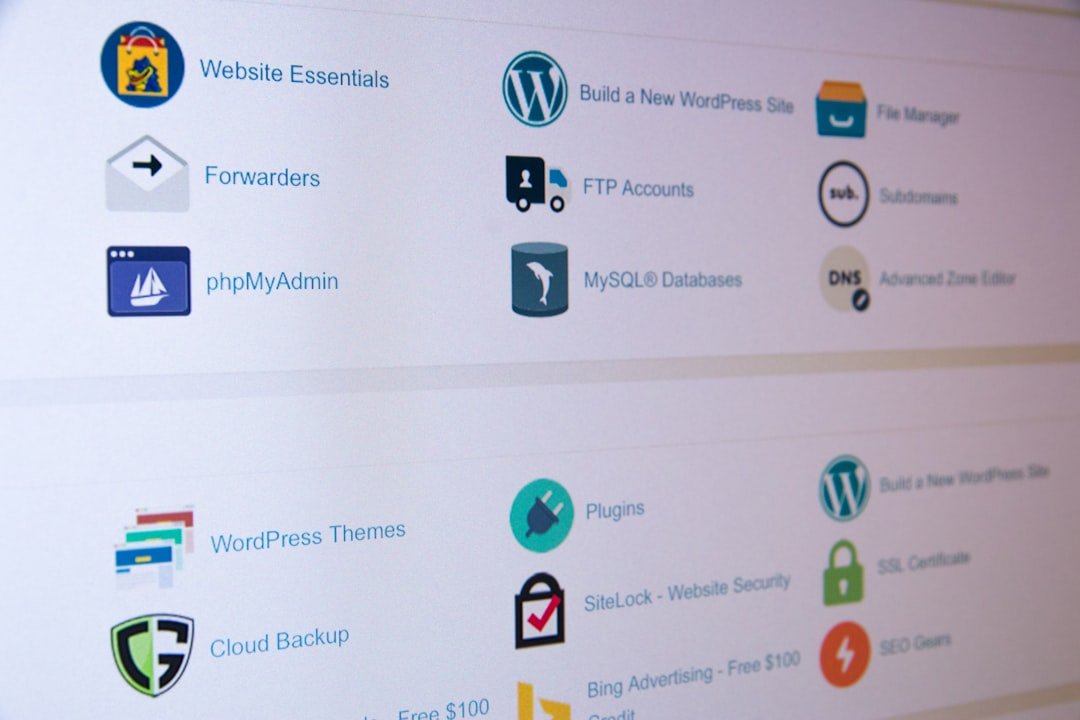
A specialized service called “website migration hosting” assists you in transferring your website from one server or hosting company to another, frequently with the intention of reducing or eliminating downtime. Consider it similar to packing up your digital possessions & relocating them to a new home, but with the additional challenge of ensuring that your guests don’t discover anything is wrong. For companies and people who depend on the continuous availability of their websites, this service is essential. Website migration can be intimidating. Files, databases, configurations, and DNS records must all be moved precisely.
If you do it incorrectly, your website may be inaccessible for hours or even days, which can result in lost sales, irate visitors, and a tarnished reputation. This is the role of expert website migration hosting. It’s about making sure the transition goes smoothly.
When considering website migration hosting, it’s essential to understand the intricacies involved in moving your site without experiencing downtime. For a comprehensive guide on setting up your WordPress site with themes and plugins, which can be a crucial part of the migration process, check out this related article on WordPress Installation and Setup. This resource provides valuable insights that can help ensure a smooth transition during your website migration.
avoiding downtime. Migration hosting is the best option if you want to keep your website from going down. Even brief outages can have a big effect. effect on search engine optimization.
During a migration, search engine crawlers may come to your website and discover it is unavailable. Your search engine rankings may suffer as a result of this. A smooth transition guarantees that your SEO efforts are not compromised. User satisfaction and confidence.
Sure, here is the sentence with the clickable link:
Check out our website hosting services at website hosting.
Websites are expected to be accessible around-the-clock by visitors. They may visit a rival website and be less inclined to come back if they come across an offline one. Sustaining availability enhances user satisfaction and fosters trust. financial repercussions.
When considering a website migration hosting service, it’s crucial to understand the importance of having a robust online presence for your business. A related article discusses why having a website is essential for your company, highlighting how a well-structured site can enhance your visibility and credibility. You can read more about this topic here. Ensuring a seamless migration without downtime is vital to maintaining your audience’s engagement and trust during the transition.
Every minute of downtime can result in lost revenue for companies that use their website to generate leads or for e-commerce sites. By using migration hosting, this financial risk is reduced. integrity of data. Moving your database and all of your website’s files requires caution. Any data loss or corruption that occurs during migration could be disastrous.
consistency in databases. Databases are often the most complex part of a migration. It is crucial to make sure that all tables, records, and relationships are transferred correctly.
Serious functional problems may result from corrupted data. The accuracy of file transfers. Images, scripts, themes, plugins, and other website files must all be properly relocated. The functionality or appearance of your website may be affected by incomplete or corrupted file transfers. Performance Enhancements.
Improving performance is often the driving force behind website migrations. A new host or server could provide better scalability, more robust infrastructure, or quicker loading times. Optimizing speed. Improved network connections, SSD storage, and optimized server configurations are all possible in new hosting environments, all of which can speed up website response times. Allocation of Resources. You may be able to get more CPU, RAM, and bandwidth by switching to a new platform, which can greatly enhance performance, particularly for websites with a lot of traffic.
A general procedure is typically followed, though the specifics may differ based on the hosting company and the complexity of your website. It is possible to control expectations by being aware of these procedures. preliminary evaluation & planning. A comprehensive evaluation of your existing website and the target hosting environment is carried out prior to any data being transferred. Audit a website. This entails evaluating the size and platform of your existing website (WordPress, Joomla, custom build, etc.).
database size, as well as any unique setups or dependencies. Compatibility Test. The PHP versions, database types, and server software that your website requires must all work with the new hosting environment. Migration Plan.
A comprehensive plan is created, detailing the procedures, deadlines, and people involved. This frequently entails selecting a migration strategy (staging environment, automated tools, or manual). Data transfer. The actual files and databases are transferred from the old host to the new one at this point. File Transfer Procedures.
Files can be moved using rsync, SFTP, FTP, or occasionally straight from the old hosting control panel if that option is available. Compressing files into archives prior to transfer can speed up the process for bigger sites. Export and import of databases. Databases are typically exported from the previous server (e.g. A g. SQL Server Management Studio or phpMyAdmin for MySQL) and then imported into the new server.
Database prefixes & user permissions must be carefully considered. Configurational changes. Configuration files (such as database connection strings or WordPress’s wp-config . php) must be updated to reflect the new database credentials & server paths after files and databases are moved.
Testing & confirmation. Thorough testing is necessary after the data is moved to make sure everything is operating as it should in the new environment before going live. Setting up the staging environment. On the new host, many migrations make use of a staging environment. You can test everything on this clone of your website without having an impact on the live version.
Testing functionality. It is essential to test every feature of a website, including forms, user logins, e-commerce checkout procedures, and integrations with external services. Testing performance. Confirming performance gains on the new host can be done by looking at page load times, server response, and overall site speed. Propagation and Go-Live DNS. The DNS records for your domain must be updated to point to the new hosting server as the last step.
updates to DNS records. Your domain’s A record will be updated with the IP address of the new server. If email hosting is also changing, you may need to update the MX records. Propagation Time Management. Changes to DNS are not immediately applicable to everyone.
Some users may still be redirected to the previous server during the propagation period, which can last anywhere from a few minutes to 48 hours. For this reason, a “cutover” tactic is frequently used. During a migration, achieving true zero-downtime requires meticulous planning and frequently specialized methods. Progressive Migration. This strategy, which is particularly useful for very large or complex websites, entails gradually moving portions of your website.
Data transfer in phases. Critical static files or less dynamic database components can be moved first rather than all at once, allowing for testing prior to the transfer of the more dynamic components. Database duplication. Setting up database replication between the old and new servers enables real-time updates to be synchronized with the new environment for websites with frequently updated databases.
This reduces the amount of time that the database must be locked for migration or taken offline. Load balancers and reverse proxy. Traffic routing and smooth transitions can be greatly aided by these tools.
redirection of traffic. Both the old and new servers can be in front of a reverse proxy. It can progressively reroute traffic from the old server to the new one during the migration, enabling real-time monitoring & rollback in the event of problems. load distribution. Incoming traffic can be divided between the old and new servers by a load balancer when both are online.
This guarantees that every user is served by an active server and is especially helpful during the DNS propagation period. Syncing the staging environment. One effective method for testing and preparation is to use a staging environment that replicates your live site.
Clone prior to migration. Your live site is fully replicated and set up as a staging site on the new host. This is where all testing and modifications are made.
Last Database Sync. To record any changes made to the live site since the creation of the staging environment, a final database synchronization is carried out right before the DNS switch. By doing this, the gap is closed and the most recent data is guaranteed on the new website. Making the right migration service choice can have a big impact. It’s critical to consider factors other than price.
proficiency & background. Migration involves more than just transferring files; it also involves managing databases, server environments, & potential hazards. Technicians with certification.
Seek out suppliers who have certified technicians on staff with expertise in a range of web technologies & hosting platforms. Their expertise is priceless. performance history. Customer satisfaction and a provider’s success rate can be inferred from reviews and case studies. It is encouraging to have a long history of successful migrations.
assistance & dialogue. You’ll probably have queries or require updates during a complicated migration. Effective communication is essential. devoted expert in migration.
In order to provide a single point of contact & guarantee regular communication, certain services designate a specialist to handle your migration.
24/7 technical assistance. Problems can occur at any time. Problems can be swiftly resolved and their effects reduced with the help of responsive technical support. Range of Services. Recognize precisely what the migration service includes.
Including files & databases. Verify that the databases and files on your website, along with any related configurations, are completely covered. Email Migration. Make sure your email hosting is included in the migration plan if it is moving as well. This frequently calls for special steps for mailboxes & DNS MX records.
assistance after migration. After the migration is finished, some providers provide a post-migration support period to deal with any remaining problems. Some difficulties may occur during a migration, even with expert assistance. You can lessen their impact by being aware of them.
Issues with compatibility. Different server environments can cause unforeseen issues. PHP Version Mismatches. It’s possible that the new server uses a more recent version of PHP while the old one is using an older one. Code written for older versions might not be compatible. To find these, testing in a staging environment is helpful.
differences in database servers. Switching between database systems (e.g. A g. MySQL to PostgreSQL) is rarely simple and may call for data translation or schema modifications. big website.
There may be particular difficulties with very large websites that have many files or large databases. Time limitations. If zero-downtime techniques are not used, such migrations may take longer, necessitating more planning and possibly a longer maintenance window. Allocation of Resources. The transfer process itself may require a lot of resources, including enough bandwidth & server processing power on both ends. DNS Transmission Latency.
No hosting provider has direct control over how long it takes for DNS changes to take effect worldwide. TTL Enhancement. Prior to the migration, you can expedite the spread of the change by setting a low TTL (Time-To-Live) value on your DNS records. Two servers working together.
Maintaining both the old & new servers active for a while after the DNS switch guarantees that users are always served while propagation is finished for business-critical websites. SEO Impact Following Migration. Although the goal of zero-downtime is to avoid SEO problems, it’s wise to keep an eye on your website afterward. Monitoring Google Search Console. Watch your index coverage, crawl statistics, and any error messages in Google Search Console.
Link checks are broken. After the migration, check the entire website for any broken internal and external links and make any necessary updates. Hosting for website migrations is an essential service for any website owner thinking about moving. It’s an investment in peace of mind, guaranteeing your online presence continues to function at its best.
You can make an informed choice and protect the availability and integrity of your website by being aware of the procedure, tactics, and possible obstacles.
.